Discover Our Flagship Hotels



Get Inspired for Your Next Trip
In honour of Africa Day on 25 May, we’re offering 30% off across all our hotels for one week only. The offer runs from 25 to 31 May and is valid for bookings in June, July and August this year. Book your stay here.Stay with OnomoWith 22 hotels in 13 countries across Africa, Onomo is your go-to choice for African travel. Check out all our hotels here.So many African cities to travel to, so little time. Not sure where to spend your holiday? Explore our destination guides for inspiration here.For even more inspiration, discover our favourite African fashion designers, artists, music festivals and art fairs.You’re invited. Don’t forget to sign upIn addition to giving you 30% off your next stay, we are celebrating everything we love about Africa — from city guides and fun facts to spotlights on our favourite African fashion designers and musicians. Follow us on Instagram and Join Onomo Fans to be the first to know about upcoming specials.What is Africa Day?Africa Day commemorates the founding of the Organisation of African Unity (now the African Union) in 1963. It’s a day when the continent comes together to celebrate everything Africa is, was and could be, including its diverse cultures, stories and people.Terms and ConditionsPromotion OverviewONOMO Hotels is offering a 30% discount on the Best Available Rate to celebrate Africa Day. This offer is available exclusively on the ONOMO Hotels official website (www.onomohotel.com).Offer DetailsDiscount: 30% off the Best Available RateRate type: Non-refundableBooking window: 25 to 31 May 2026 (inclusive)Travel period: 1 June to 31 August 2026Booking channel: Direct website only — www.onomohotel.comParticipating hotels: All ONOMO Hotels properties across AfricaBooking ConditionsThis offer is non-refundable. Payment is required at the time of booking and no cancellations or modifications will be accepted after booking.The discount applies to the room rate only and does not include additional services (breakfast, transfers, spa, etc.) unless otherwise specified at the time of booking.The offer is valid for the booking window and travel period stated above. Bookings made outside this window are not eligible.This offer cannot be combined with any other promotion, discount, or offer unless explicitly stated.The 30% discount is applied automatically on the ONOMO Hotels website during the eligible booking window.The discount applies only to the room rate before applicable taxes, tourism levies, VAT, service charges and other mandatory governmental fees, unless otherwise stated.EligibilityThis offer is open to all customers booking directly via www.onomohotel.com.The offer is not available through third-party platforms, OTAs, travel agents, or any other channel.General ConditionsONOMO Hotels reserves the right to modify or withdraw this offer at any time without prior notice, subject to existing confirmed bookings.In the event of a dispute, ONOMO Hotels’ decision shall be final.ONOMO Hotels reserves the right to cancel bookings suspected of fraud, abuse, error, or unauthorised resaleONOMO Hotels reserves the right to cancel or correct bookings affected by pricing, technical or system errors.ONOMO Hotels shall not be liable for failure to honour bookings due to events beyond its reasonable control.Les conditions générales standards d’ONOMO Hotels, y compris sa politique de confidentialité, s’appliquent en complément des présentes conditions promotionnelles.Availability is subject to hotel capacity. The offer is valid while rooms last.
From buzzing biennales to cutting-edge fairs, here are 10 African art fairs and festivals to add to your calendar. Embark on a cultural journey and experience the pulse of the continent.2026 African Art Events at a GlanceEventLocation2026 DatesFocus1-54 MarrakechMarrakech, MoroccoFeb 5 – 8Contemporary ArtInvestec Cape TownCape Town, S.A.Feb 20 – 22International Art FairDak’ArtDakar, SenegalMay 6 – June 6Pan-African BiennaleChale WoteAccra, GhanaAugust (TBC)Street Art & PerformanceFNB Art JoburgJohannesburg, S.A.September 4 – 6Contemporary ArtArt X LagosLagos, NigeriaNov 5 – 8West African CultureBamako EncountersBamako, MaliNov – DecAfrican Photography BiennaleBISO BiennaleOuagadougou, Burkina FasoOct – Nov (TBC)Contemporary SculptureAfrica Foto FairAbidjan, Ivory CoastOct – Nov (TBC)Global & African PhotographyAddis Video Art FestivalAddis Ababa, EthiopiaDecemberVideo Art & New MediaNote: we recommend verifying exact dates on the official websites before planning your trip.Art X Lagos | Lagos, NigeriaSince launching in 2016, this annual contemporary art fair has fast earned its place as a leading art event on the continent.Happening over four days, usually in November, Art X Lagos is a celebration of music, film, design, literature and art.The program for this African art fair includes exhibitions, film screenings, live performances, creative talks, and immersive installations.@artxlagosDak’Art | Dakar, SenegalAfrica’s longest-running international art biennale is dedicated to showcasing contemporary African art across all disciplines.The Dakar biennale is held every two years over a month in May/June, with an ‘In’ programme featuring a curated international exhibition and an ‘Off’ programme of independent exhibitions happening at venues across the city – from galleries to public spaces. To fully enjoy this unique cultural celebration, we recommend staying in Dakar for a week.@biennale_de_dakar_officiel1-54 | Marrakech, MoroccoThis continent-hopping contemporary art fair is held three times a year in London, New York and Marrakech. The Marrakech edition runs over three days in March. Named after the 54 countries that make up the African continent, the 1-54 art fair champions artists from Africa and its diaspora through curated exhibitions, talks and panel discussions — placing African creativity firmly on the global stage.@154artfairInvestec Cape Town Art Fair | Cape Town, South AfricaEvery February, artists, galleries, collectors, curators and art lovers from around the world congregate in Cape Town for Africa’s largest international art fair. The 2025 art fair showcased work from over 500 artists from five continents and some of the world’s most prominent galleries. This four-day event is a definitive highlight of Cape Town’s summer calendar.@investeccapetownartfairFNB Art Joburg | Johannesburg, South AfricaJozi’s leading African art fair is held over three days every October and is not to be missed. As the longest-running art fair on the continent, it showcases some of the best contemporary art from across Africa and beyond, alongside talks, film screenings, public lectures and a series of impressively scaled installations.@fnbartjoburgBamako Encounters – The African Biennale of Photography | Bamako, MaliSince its inception in 1994, this Malian photography biennale has provided a platform for photographers and videographers from Africa and its diaspora. Held every two years over two months at year-end, the festival features exhibitions, portfolio reviews, artistic and musical performances, discussions and workshops in venues across the city, all centered around a unifying theme.Pro tip: book a hotel in central Bamako to make the most of the portfolio reviews and evening workshops that bring the biennale to life.@les_rencontres_de_bamakoAfrica Foto Fair | Abidjan, Ivory CoastThis annual photography festival was founded in 2010 by award-winning photographer Aida Muluneh. The first editions took place in Addis Ababa (then called the Addis Photo Fest). It has since grown into a major event on Africa’s cultural calendar. The 2025 edition brought together over a hundred photographers from 30 countries to explore the power of photography across cultures and borders. Beyond exhibitions, the program spills into workshops, panel discussions, film screenings, DJ nights and even guided bike tours, with much of the action unfolding in the city’s working-class neighborhood of Abobo. Last year (2025), Onomo Hotel Abidjan was one of the festival venues, hosting an evening of film screenings, an exhibition and DJ sets in the hotel garden.@africa.foto.fairThe Chale Wote Street Art Festival | Accra, GhanaEach year, Accra’s streets come alive with eye-catching graffiti murals, colorful processions, art exhibitions, live music, theatre performances, interactive installations, film screenings, masquerade parties and fashion shows for this street art festival. Every edition has a fresh theme that challenges social norms and sparks conversations. The name Chale Wote means “Friend, let’s go” — an open invite to experience Accra’s creative heartbeat.@chalewoteofficialBISO (The International Biennale of Sculpture of Ouagadougou) | Ouagadougou, Burkina FasoFounded in 2018 by two friends, photographer Nyaba Léon Ouédraogo and art dealer Christophe Person, the first contemporary sculpture biennale of its kind on the African continent is held every two years in October/November in Burkina Faso’s capital. Bringing together emerging and established sculptors from across the globe, the biennale is preceded by several weeks of on-site artist residencies, talks and events, culminating in an exhibition.@bisobiennaleAddis Video Art Festival | Addis Ababa, EthiopiaThis bi annual festival transforms Addis Ababa’s public spaces into digital galleries. It features video art from local and international artists, projected on screens throughout the city—from public plazas to cultural centers. It is the perfect event to discover how African artists are using new media to tell the continent’s stories.@addisvideoartfestivalWhy Travel with ONOMO to Experience African Art?Our African hotels are cultural destinations in their own right. Stay with ONOMO in Cape Town, Casablanca, Dakar, or Bamako to immerse yourself in the continent’s vibrant art scene.We blend contemporary Afro-fusion design with modern comfort, creating inspired spaces where culture and creativity come alive.Book your next trip here
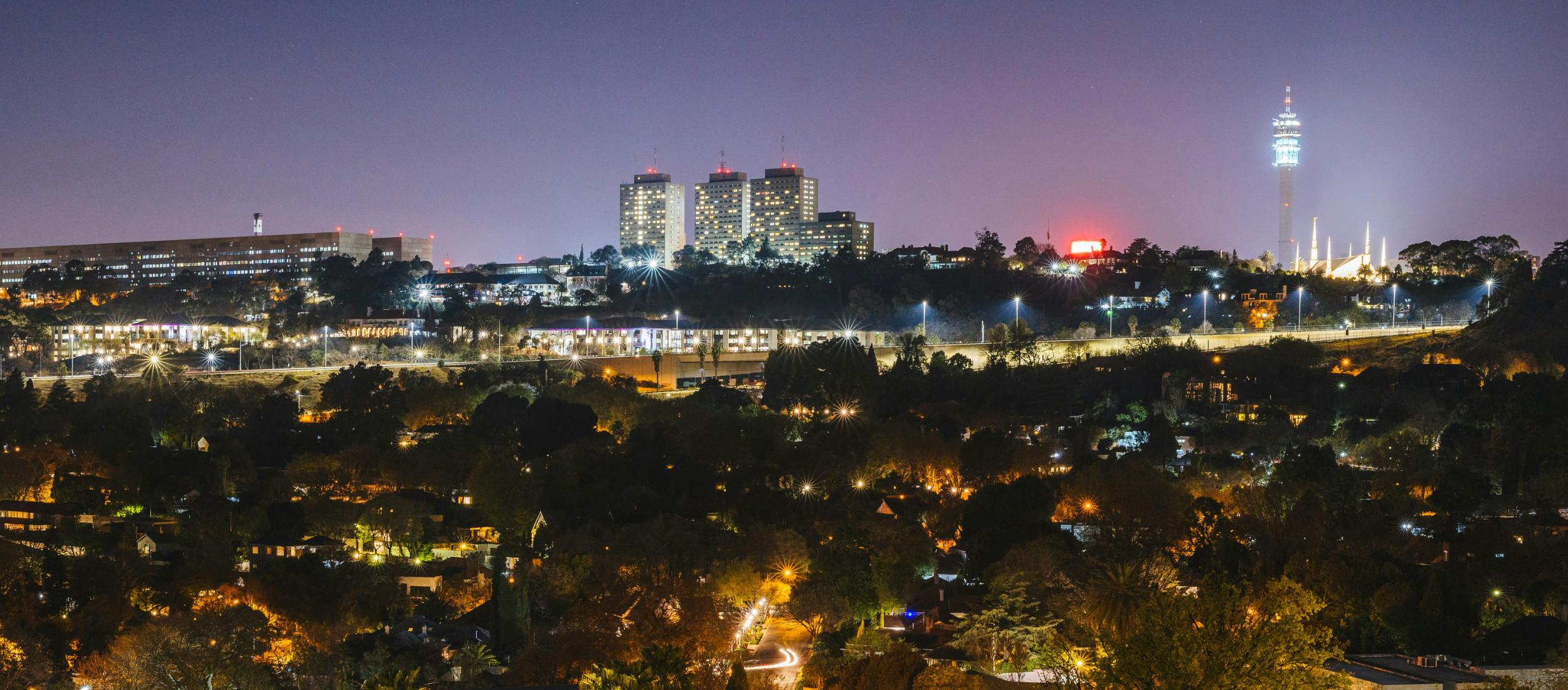
Art director and Joburg local (also known as Jozi), Boitumelo Molamu, gives us the inside scoop on his hometown. Discover this rich and fascinating metropolis like a local: what to do and what to see in Johannesburg… a curated list of the best spots! Ready for a guided tour?Tell us a bit about yourself?I’m Boitumelo — an experience-obsessed, Gen Z creative based in Joburg. By profession I’m an Art Director, building visual worlds for brands such as MTN, Hennessy, Coca Cola, the Thabo Mbeki Foundation, GALXBOY and so much more. Beyond my 9 to 5, I run a little boutique creative studio called Rocketville Concepts, where I get to work on really cool creative projects with my friends — from design to strategy, digital content and experiences.One of the projects I’m excited about is the film screening that Rocketville Concepts is putting together for luxury fashion brand BOYDE.How long have you lived in Joburg?Joburg has had my heart for almost five years now. I first moved here to study, but now I can’t see myself anywhere else.What are some of your favorite neighborhoods in Jozi?Joburg has this cluster of neighborhoods nicknamed “The Parks”. These include Parktown North, Parkhurst, Hyde Park, Rosebank, Craighall Park, Parkwood & honorary neighborhoods like Illovo and Melrose. These are all must-visit areas in Johannesburg. You’ll mostly find me there for the restaurants, bars, and parks, and because all my creative and stylish friends live there.But if I had to pick one neighborhood, it would be Illovo, besides living there, it’s just a very pleasant area.What do you like most about living in Johannesburg? Joburg has an edge that makes you believe — believe in yourself, believe in your ideas. It’s inspiring. Every time I look out from my balcony in Illovo, I feel like my dreams are within reach.The city has a splendid creative culture at many different levels. And then there’s the social life; the people are just really cool.Any travel tips you would like to give to people visiting the city for the first time?Make friends with someone from Johannesburg. The city is amazing. However, it does not feel like fun when you do it alone. IIt’s best enjoyed in company (preferably with a local who can show you the best spots).Let’s start the tour. Show us your favorite places in Johannesburg.First of all, welcome to Joburg, the best city in South Africa and the capital of the Gauteng region! I stand firmly by that. There is no shortage of places and activities here, and every traveler will find something they love.The best cafes and bars in JohannesburgWant something to drink? Let’s get coffee:The Commune — Braamfontein: both a pan-African bookstore and a cafe. @thecommunejhbFather Coffee — Kramerville & Rosebank. @father_coffeeDough & co. — Parktown North: the best pastries, especially in the morning. @doughandco_saGetbird Brew — Illovo. @getbird.co.zaGabriella’s Tea Room — Parktown North. @gabriellastearoomMamakashaka & Friends — Braamfontein. @mamakashakaandfriendsFather CoffeeGetbird BrewDough & co.Now, coffee is only valid until 12pm. Then we need a good drink:Sin+Tax Bar — Rosebank: best cocktails. @sin_tax_barA StreetBar Named Desire — Rosebank: a proper “lekker jol” (great party). @a.streetbar.named.desireNeighbarhood — Parktown North: for a drink, a chat, and listening to vinyl in the back. @we_are_neighbarhoodThe Jolly Roger — Parkhurst: a proper South Ahh “Afrikaans” dive bar.Marble — Rosebank: for great cocktails with a view. @marble_jhbObscura Cocktail Bar & Eatery — Rosebank: great cocktails with some fun to it. @obscuracocktailbarBenchwarmers Sports Bar — Rosebank: the energy is crazy during big games. @benchwarmers_jhbWineBar — Kramerville & Rosebak: the best place to find wine from local independent winemakers. Artistry JHB — Sandton: where the corporate scene meets the creative scene. @artistryjhbA StreetBar Named DesireMarbleObscura Cocktail Bar & EateryRestaurants to try in JoburgA drink is good, but you also need to eat and taste some specialties from South Africa and beyond:Aura — Sandton: for afro-fusion cuisine made with local ingredients.Pata Pata – Maboneng: to enjoy an authentic South African braai. @patapata_mabonengChe Argentine Grill — Rosebank: if you’re feeling like some grilled meat. @chegrill_jbhSaint – Sandton: for excellent Italian cuisine; my favorite has to be the pizza. @saint_jhbBottega Cafe — Parkhurst: best pasta, good cocktails and guaranteed to have a different kind of tequila. @bottegaparkhurstSLAPS Sandos — Parkhurst: the best burgers in Jozi by far. @slapssandosNonna Mia’s — Parktown North & Illovo: best pizza. @nonnamiaspizzaThe Whippet — Linden: best for breakfast. @thewhippetlindenChe Argentine GrillSLAPS SandosSaintThe WhippetNonna Mia’sBottega CafeMust-visit art galleriesNow, let’s go look at some art:BKhz Gallery — Rosebank: first stop for seeing young South African Black artists. The gallery is also Black-owned. @bkhzEverard Read Johannesburg — Rosebank: great for South African commercial artists. @everard_read_johannesburgGallery MOMO — Parktown North: great mix of emerging and established contemporary artists, curated by young curators. @gallerymomoStevenson Johannesburg — Parktown North: leading contemporary art gallery with spaces in Joburg, Cape Town and Amsterdam. @stevenson_saGoodman Gallery Johannesburg — Rosebank: long-standing, internationally acclaimed art institution. @goodman_galleryDavid Krut Projects: gallery and art bookstore. Small, niche and filled with knowledge. @davidkrutprojectsGallery MOMOStevenson JohannesburgEverard Read JohannesburgDavid Krut ProjectsBKhz GalleryGoodman Gallery JohannesburgShopping in JohannesburgLocal studios and stores that are a definite must-shop include:BOYDE — Maboneng: local luxury fashion brand. @boyde_officialSASH SOUTH AFRICA — Maboneng: slow fashion clothing brand founded by designer and visual artist, Sakhile Cebekhulu. @sash_southafricaWanda Lephoto — Parktown North : ready-to-wear menswear. @wandalephotoUNI FORM by Luke Radloff — Parktown North: clothing brand, elevated classics with a South African twist. @uniformzaNiche Perfumes — Parkhurst: local, artisanal perfume shop. @nicheparfums_rsaHappyville — Parkhurst: high-end streetwear. @happyville_BOYDEHappyvilleNiche PerfumesSASH SOUTH AFRICAUNI FORMWanda LephotoJoburg places to visit Joburg is one of those cities where you have to be one with the locals to experience it best; it’s not really a city for sightseeing. However, a few places you can definitely check out are:The Apartheid Museum — great for gaining some historical context on South Africa’s history. @apartheidmuseumVilakazi Street & Mandela House in Soweto: the Soweto township is an essential cultural whether you go for the history, the food or just the vibe. @mandelahousemuseumNelson Mandela SquareThe Wanderers Club: for sports fans, located in the Illovo district.The Apartheid MuseumVilakazi Street & Mandela HouseOnomo’s Jozi travel tipsGetting around JohannesburgDespite its charms, Joburg isn’t really a walking city. Your best bet is to hire a car or order an Uber. The Gautrain (@thegautrain) is another good option for longer distances, including travel to and from O.R. Tambo International Airport, while the City Sightseeing Bus (@citysightseeingsa) is a convenient way to see key sights. Some of our favorite spots44 Stanley (Shopping, food and culture hub with gems like @manor.africa, @pathnomad, @mrvinylza, @artwave.jhb, @thelibraryo, @thebioscope, @yade_intl and many more). @44_stanleyavenue August House Artist Studios (Art hub. Home to some of the city’s top artists). @august_house76The Movement Store at Constitution Hill (Locally made art, design and fashion). @constitution_hill44 StanleyThe ManorPath NomadMr VinylThe BioscopeThe Library of Things We Forgot to RememberAttractions beyond the cityEver dreamt of going on a safari? If you have the time, a visit to the Kruger National Park (about 4 hours’ drive from Joburg) to see the Big 5 in their natural habitat promises to be a highlight of your trip. @sanparksWhere to sleep in JoburgWe also advise you to choose a hotel in Johannesburg from which you can easily explore the metropolis.Onomo Hotel Johannesburg Sandton: is perfectly situated in one of these prime zones, just steps away from the Sandton Convention Centre, half an hour from O.R. Tambo International Airport, and fifteen minutes from the Parktown North district. @onomo.sandtonFrequently Asked Questions about JohannesburgIs Johannesburg worth visiting for tourists?Absolutely. Johannesburg is the beating heart of South Africa. More than just a layover, it’s a vibrant metropolis offering a unique immersion into contemporary history, a booming urban art scene, and world-class gastronomy.What is the safest neighborhood in Johannesburg?Sandton is widely considered the safest and most modern neighborhood in Johannesburg. As the city’s financial center, it benefits from increased security and high-end infrastructure. Other areas like Rosebank and Melrose Arch are also highly recommended for international travelers. This is where the Onomo Hotel is located, offering a secure and strategic base.How many days in Johannesburg is enough?We recommend planning 3 to 4 days to visit Johannesburg.Day 1: History (Apartheid Museum and Constitution Hill).Day 2: Local culture (Soweto and lunch on Vilakazi Street).Day 3: Lifestyle and art (Rosebank, art galleries, and shopping in Sandton).Day 4: Excursion to the Cradle of Humankind or relaxing in the city parks.What is the best month to visit Johannesburg?The best time is from September to November (Spring) and from March to May (Autumn). During these seasons, the weather is mild and sunny. In October, you’ll also have the chance to see the city covered in the purple blooms of the Jacaranda trees—an unforgettable sight.Ready to admire the jacarandas or explore the galleries of Rosebank? Book your stay at Onomo Hotel Sandton and live Johannesburg like a local.
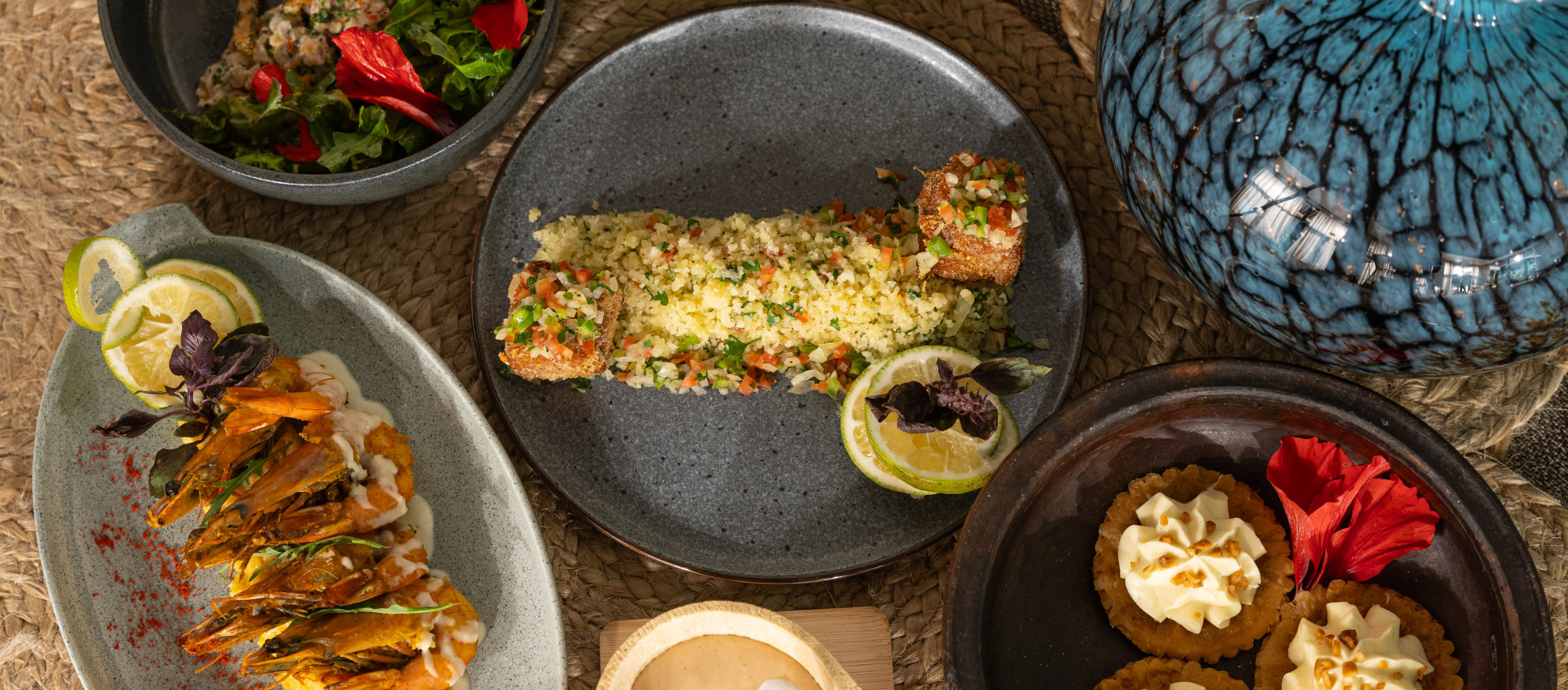
For Chef Lorna Boboua-do Sacramento, cooking isn’t just about flavour—it’s storytelling. As Onomo’s Regional Executive Chef for West and Central Africa, she brings Afro-fusion to life, blending heritage and culture with global influences. Discover the world of Chef Lorna Boboua-do Sacramento, a culinary leader redefining the codes of modern African gastronomy. Between her multicultural heritage and world-class training, she shares her vision of the plate as a bridge between continents.Tell us more about your position at Onomo.For the past three years, I have been the Onomo hotel group’s Regional Executive Chef for West and Central Africa. I supervise seven kitchens: two in Abidjan where Onomo has two hotels, as well as the kitchens in Dakar, Douala, Lome, Conakry and Bamako. What did you do before you started working for Onomo? I studied at École Grégoire-Ferrandi in Paris (which is like the Harvard of cooking schools in France). Thereafter I studied pastry at Le Cordon Bleu. I then worked at several restaurants, including the Michelin star restaurant, Le Jules Verne, in the Eiffel Tower. I also did an internship at the Palais de l’Elysée, (France’s version of the White House), which was a great experience. After this, I worked as a pastry chef under Cyril Lignac. You are currently based in Abidjan? Are you originally from Abidjan?I was born in France and grew up between France and the Congo (but mostly in France). My father is Congolese and my mother is Togolese/Brazilian. Why did you decide to become a chef? What drew you to the profession?I think it was my grandmother who passed on the passion for cooking to me. It’s always the grandmother for chefs, isn’t it? But it also comes from my father who has also always loved cooking as well. A defining characteristic of most of Onomo’s restaurants is their Afro-fusion cuisine. How would you describe Afro-fusion to someone who doesn’t know it?For me, Afro-fusion is when you combine African food with food from other cultures. For example, Congolese cuisine with French cuisine. But when you do this, it’s very important to keep the identity of the traditional dishes you are basing your recipe on intact, and not to mix or change too many ingredients, otherwise the message you are trying to convey becomes diluted and you end up with too many messages in one dish. What is the secret to creating a great Afro-fusion dish?You have to be careful to keep the knowledge and roots of the traditional cuisine you are basing your new dish on intact. You also have to be well-versed with the traditional cuisine before you can combine it with flavours from a different culture. Why do you enjoy cooking Afro-fusion? I think part of the reason is my mixed heritage. And when I cook, it’s like I’m telling a story about myself and my heritage through my food. I’m really a very reserved and shy person, and cooking is my way to say, ‘This is Lorna. This is my story.’ Cooking for me is like writing a book.Do you have a favourite Onomo restaurant? That’s a difficult question for me (laughs). I’ll get into trouble for playing favourites. But… I think if I have to choose one, I’ll choose Kokoma. The menu features a lot of traditional Ivorian street food. It’s very diverse and authentic. I also really love Casa Baobab and its Afro-Mexican menu at ONOMO Allure Abidjan Baobab.Talking about Casa Baobab: How did you decide on an Afro-Mexican menu for the restaurant? What inspired you to choose this combination? It wasn’t my specific decision, but I think the choice was made because it was highly original and unique, nothing like it existed in Abidjan at the time. But now the idea has caught on and it has been copied by others here. How do you go about designing a menu for a restaurant? Where do you start?I start by observing the customers frequenting the restaurant. Because you know, it’s a hotel. It’s not the same as a regular restaurant. You have guests coming in from around the world. When I design a menu, I want to share a story. If you come to Onomo Hotel Abidjan Airport, I want to introduce you to the culture of the Ivory Coast. But I also want to share my own background and experience, as well as my team’s.Before designing a menu, I also ask my team what they like to cook. And then we design the menu together around this.Do you have a favourite dish?Not my favourite, because there are many dishes that I love, but a food that is really interesting to me is the African palm nuts that we get here in Ivory Coast. We also have ablo—a salty traditional steamed rice cake. We steam the dough in banana leaves. It’s a little similar to Mexican tamales, except that they use corn, not rice. We put the beef and sauce inside the dough, wrap it in banana leaves and then steam it. It’s delicious.Do you think that knowing the historical and cultural roots of dishes and the stories behind them are important?Yes, I think it’s very important to learn about your culture’s traditional dishes and teach these recipes to others. At some culinary schools in Africa, they’ll only teach you European or Asian recipes. But if you want to get to know your cuisine and culture, you have to be taught its traditional recipes, because food is one of the main components of a culture. When you cook, you cook your story. You cook your identity. We have to keep the traditions of our cultures going. When I was studying in France, I cooked a lot of French food. One of my instructors asked me questions like ‘What’s your favourite dish from your country, Lorna?’ and ‘Do you know how to make a traditional dish from your country?’ At first, I couldn’t understand why he asked me this. I thought, yes, I can cook African dishes, but they are something for cooking at home, they’re not professional. That’s when I came to realise that I have to understand and learn more about African cuisine. That it matters. Because other than being very delicious and healthy, it’s part of my heritage.Are you working on anything new right now?I’ve just finished preparing new menus for Kokoma at Onomo Hotel Abidjan Airport. I’ve included a new dish. It’s an Afro-American fusion dish, with roots in Louisiana. Where do you find inspiration when designing a menu? I enjoy finding inspiration through travel. I have a vacation coming soon, but I don’t yet know where I’ll go this time. Maybe Asia. Maybe South Africa. We’ll see.On your Instagram profile, it reads: ‘Cooking is the art through which I translate my emotions and traditions. A refuge, a ritual, and a way of life.’ That’s such a beautiful quote. Can you share your thoughts on this? Cooking is everything for me. When I’m happy I cook, when I’m sad I cook. This is my way of expression. Without it, there is no Lorna. I also think that food brings people together. Say people are arguing: If you bring them food, it can completely change the mood in a room. It’s like music. It calms people and unites them. It can be powerful. Through cooking, you can conclude contracts. You have much power in the kitchen.Where can you taste Chef Lorna’s creations?Every menu designed by Chef Lorna tells a story of her Congolese, Togolese, and Brazilian roots. Experience Lorna’s signature style at our flagship locations:Kokoma Restaurant & Terrace at Onomo Hotel Abidjan Airport @kokoma.abidjanCasa Baobab at Onomo Allure Abidjan Baobab @casabaobab.abidjan Ramatou at Onomo Hotel Dakar @onomo.dakarO’Restaurant at Onomo Hotel Douala @onomo.doualaO’Kope at Onomo Hotel Lome @onomo.lomeO’Taste at Onomo Hotel Conakry @onomohotel.conakryBanantou at Onomo Hotel Bamako @onomo.bamakoBook Your Gastronomic ExperienceWant to discover the unique creations of Chef Lorna Boboua-do Sacramento? Combine comfort and world-class gastronomy during your next stay in Africa.
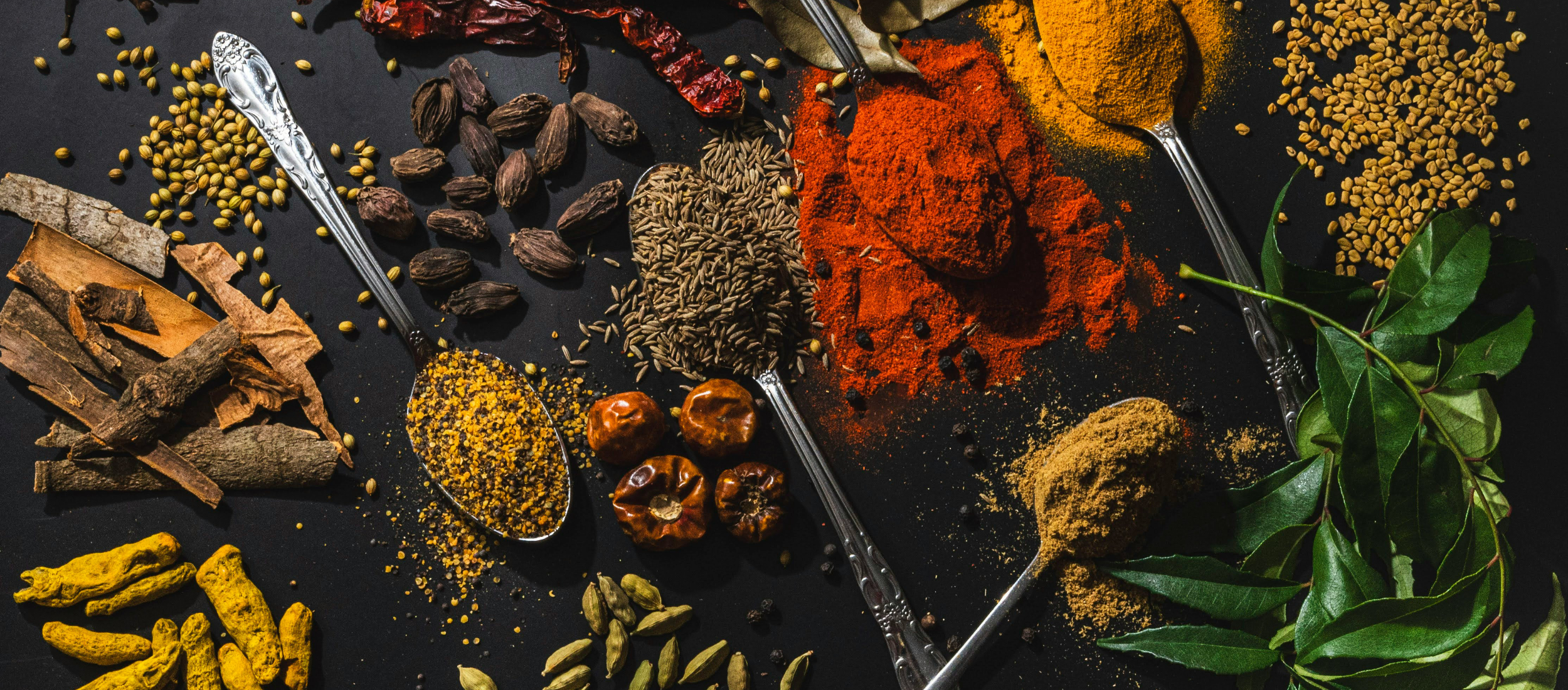
Whether savoury or sweet, Moroccan cuisine is rich and varied. Here are 15 of our favourite culinary specialities to try during your next visit.SavouryMoroccan cooking is all about using the right combination of spices. Seasoning plays a crucial role, with closely guarded family recipes passed down through generations. Commonly used spices include cumin, saffron, cinnamon, paprika, cloves, ginger, pepper and coriander. Rfissa. Stewed chicken, lentils, fenugreek and spices served over shredded Msemmens (a type of Moroccan pancake/flatbread), trid pastry, or even day-old bread. Rfissa is one of the specialities of Casablanca.La Tanjia Marrakchia. Veal shank seasoned with spices such as cumin, saffron, turmeric and preserved lemon and slow cooked in a special clay pot or urn. Traditionally it was cooked in the embers of hammams (bathhouses). A specialty of Marrakech.A Pastilla. A flaky phyllo pastry pie made with pigeon meat (you can also substitute it with chicken or beef) and seasoned with onions, parsley, coriander and cinnamon.Tajine. Vegetables and meat or fish, slow cooked in a traditional serving dish of the same name, with cinnamon, nutmeg, coriander, niora (a type of sweet red pepper), parsley, lemon and olive oil.Couscous is the Moroccan dish that’s probably most consumed outside Morocco. Durum wheat semolina is ladled with a vegetable broth and garnished with meat. There are several versions of this dish, including a traditional version with seven vegetables and one with chicken. Mechoui. Lamb or mutton meat seasoned with paprika, cumin, ginger and other spices (depending on the individual family recipe) and slow cooked in an earthen oven. Harira is a hearty soup usually made with lamb, parsley, onion, celery, coriander, chickpeas, lentils, tomatoes and sometimes also vermicelli. Sweet Morocco’s sweet specialities are equally as enticing as their savoury cousins. Common flavours used in Moroccan desserts include orange, cinnamon, almonds, honey, dried fruits and nuts.Gazelle Horns. Crescent-shaped cookie with an almond paste and orange blossom filling.Briouat is a small triangular puff pastry turnover filled with almonds, cinnamon, and honey. (There is also a savoury version.)Harcha. A wheat semolina pancake, eaten either with honey or butter or plain.Ktefa or milk pastilla is a refined sweet treat that consists of paper-thin layers of warqa pastry, sweetened almonds and custard cream.DrinksAfter a day of sightseeing there’s nothing better than a refreshing drink.Mint tea, an institution in Morocco, is consumed at almost any time of the day. At the end of a meal, it is enjoyed as a digestive.Almond milk flavoured with orange blossom or honey is commonly sipped in the morning, especially during Ramadan, but can be enjoyed at any time.Assir is an avocado and orange blossom smoothie, widely consumed in Marrakech.Wine. Morocco is also a great destination for wine lovers. To complement your meal, we recommend wines from estates like Les Celliers de Meknès, Domaine Ouled Thaleb, Château La Ferme Rouge, Castel, and Les Deux Domaines.RestaurantsHere are some of our favourite spots to taste traditional Moroccan cuisine:RabatDar RbatiaKasr Al AssilTangierRestaurant Ahlen Chez Hassan Bab Kasbah CasablancaLe Cuistot Traditionnel La Sqala Dar DadaLa SqalaDar DadaLe Cuistot TraditionnelDar Rbatia Kasr Al AssilChez Hassan Bab KasbahSleepOnomo hotels to choose on your next trip to Morocco:RabatOnomo Hotel Rabat Terminus📍 286, avenue Mohammed V📞 00212 537 21 29 00, 00212 537 21 29 03🍴Azour Rooftop & Lounge: Afro-fusion food.Tanger MedTanger MedOnomo Hotel Tanger Med📍 Port center Secteur 9 📞 00212 531 07 06 20🍴 The Restaurant at Onomo Hotel Tanger: Moroccan cuisine.CasablancaOnomo Hotel Casablanca Airport📍 H6, Nouacer ZF 6, lotissement du Parc Industriel Midparc 📞00212 520 00 11 00🍴 Azour: Mediterranean and Sub-Saharan flavours.Onomo Hotel Casablanca City Center📍 Angle boulevard Massira & Rue Normandie 📞 00212 520 07 07 07, 00212 520 00 10 00🍴 Azour Restaurant & Lounge: Afro-fusion.🍴 Lalla Mira by Azour: Moroccan cuisine.Onomo Hotel Casablanca Sidi Maarouf📍Boulevard 60, Sidi Maârouf📞 00212 520 00 12 00🍴 Azour: Afro-fusion dishes inspired by Moroccan, West African and international cuisine.Le Square by Onomo Collection📍 31 Rue Moussa Ben Noussair📞 00212 520 93 22 22🍴 Square Club: Coffee and sandwiches🍴 Sain Levant: Dishes inspired by Levantine cuisine.Onomo Hotel Rabat TerminusOnomo Hotel Tanger MedOnomo Hotel Casablanca AirportOnomo Hotel Casablanca City CenterOnomo Hotel Casablanca Sidi MaaroufLe Square by Onomo Collection
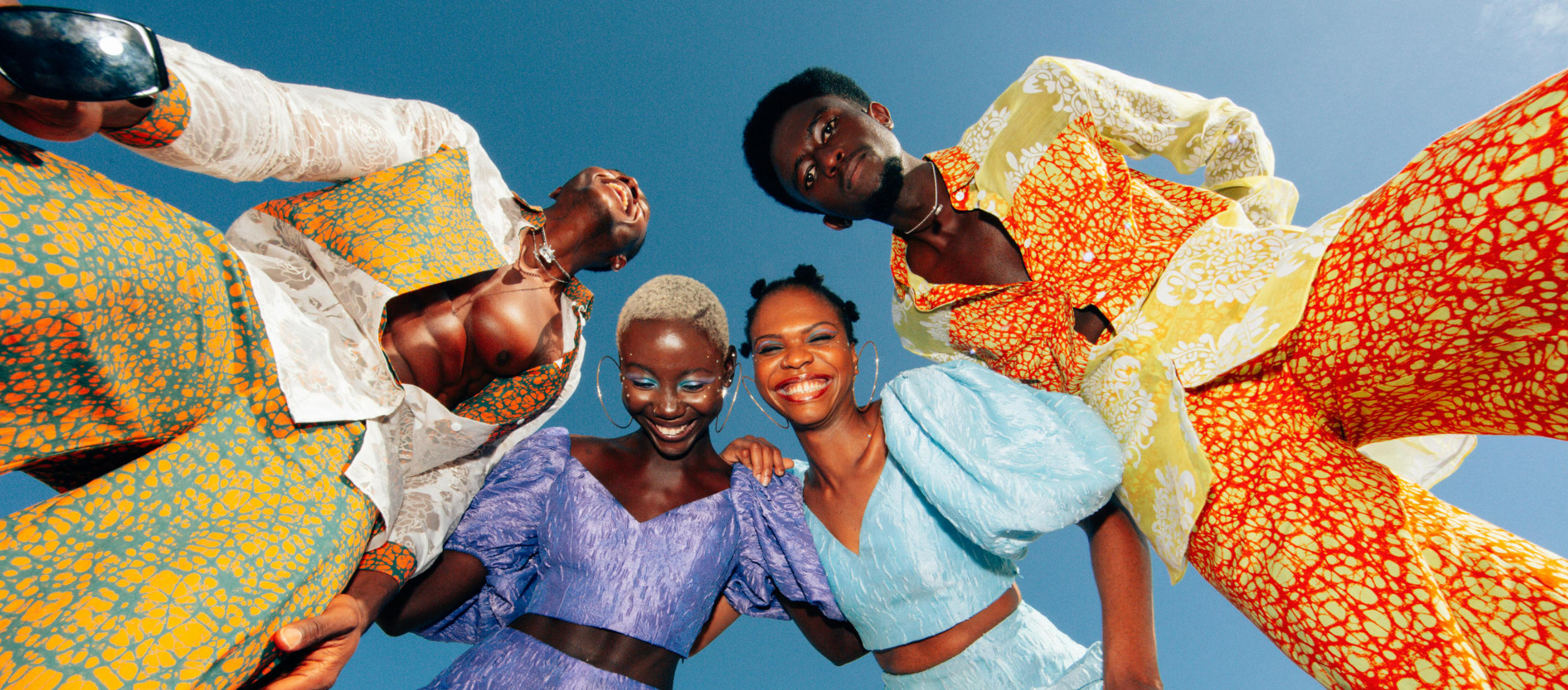
From concept stores to luxury boutiques, here’s our list of the 10 best shopping addresses on the continent.Couleur Concept | Abidjan – Ivory CoastIvorian entrepreneur, Fabienne Dervain, opened our favourite Abidjan shopping address in 2018 as a space where talented African fashion designers could showcase their creativity. Shop for fashion, accessories and beauty products from labels such as Wanni Fuga, DZYN, and Dye Lab. @couleurconcept | couleurconcept.comMOSHIONS | Kigali – RwandaRwandan designer Moses Turahirwa’s 100% made-in-Africa luxury fashion label, MOSHIONS, draws inspiration from elements of traditional Rwandan culture and has gained a global following, with celebrities like actor Ncuti Gawa as fans. Best thing is: It’s only a 10-minute drive away from Onomo Hotel Kigali. Read more about Moshions in our article on African fashion labels here. @moshions | moshions.rw Alara | Lagos – NigeriaHoused within a show-stopping building designed by award-winning Ghanaian-British architect Sir David Adjaye, this super-trendy fashion, luxury, and lifestyle haven sets the bar high, literally and figuratively. Imagine four floors dedicated to fashion, furniture, textiles and art. Global heavyweights like Tom Dixon and Saint Laurent rub shoulders with hot local labels like Turfah. And if all that shopping leaves you hungry, there’s also a pan-African restaurant/bar.@alaralagos | alaralagos.com Couleur ConceptMOSHIONSAlaraDozo Concept Store | Abidjan – Ivory CoastThis shopping stop has fast become one of the trendiest addresses in Abidjan. Founded by local entrepreneur Aziz Doumbia to empower local designers, it also doubles as a café and an incubator where creatives can gather to share ideas.@thisisdozo_Merchants on Long | Cape Town – South AfricaBehind a gorgeous historic façade on Cape Town’s bustling Long Street, Merchants on Long champions work by both emerging and established African brands. Everything is ethically made and sourced on the continent—from womenswear and menswear to accessories and homeware by designers such as Awa Meite, Lukhanyo Mdingi and Imane Ayissi. Their online store even lets you browse by the brand values you care about most—cruelty-free, social impact, women-owned, handcrafted, or upcycled. @merchantsonlong | merchantsonlong.co.zaRead more about some of our other favourite shops in the Mother City in our Cape Town City Guide here.WE ARE ZAZ | Casablanca – MoroccoA well-curated mix of everything from women’s and men’s fashion to art, accessories, beauty products, homeware and stationery fills this warm and bright store that gives pride of place to Moroccan designers. Their sister store, Zaz Baby, offers stylish Moroccan apparel for babies and kids.@we.are.zaz_concept_store | @zazbaby | zazbaby.com Read more about Casablanca in our City Guide here.Dozo Concept StoreMerchants on Long WE ARE ZAZ33 Rue Majorelle | Marrakech – MoroccoLocated opposite the Jardin Majorelle Gardens, this double-storey gallery and concept store is a great spot to browse for contemporary Moroccan fashion and homeware. Expect everything from objects d’art to women’s, men’s and kids’ fashion, accessories, homeware, stationery and cosmetics. @33Ruemajorelle | 33ruemajorelle.com MAXHOSA AFRICA | South Africa – Johannesburg, Durban, Gqeberha and Cape TownOne of South Africa’s hippest fashion labels, ‘cultural luxury’ brand Maxhosa Africa, began life as a knitwear label, with patterns inspired by traditional Xhosa beadwork. It has since expanded its vision to embrace other fabrics and aesthetics from a diverse range of African cultures. Fans include Michelle Obama and Beyoncé. @maxhosa | maxhosa.africa Read more about some of our other favourite shops in the Mother City in our Cape Town City Guide here.Bold in Africa | Kampala – UgandaYou’ll find our favourite shopping address in Kampala at Acacia Mall, just an easy 11-minute drive away from Onomo Hotel Kampala. Pop in for affordable, quality womenswear, homeware and accessories from designers across Africa. Read more about Kampala in our City Guide here.@boldinafrica | boldinafrica.com 33 Rue Majorelle MAXHOSA AFRICABold in AfricaKuba Concept Store | Casablanca – MoroccoConveniently situated inside the Onomo City Center Hotel in Casa, this boutique store provides a space for African designers to showcase their boldest creations. The result? A feast of colour, pattern and texture. @kubaconceptstore Read more about Casablanca in our City Guide here. Kuba Concept StoreKuba Concept Store
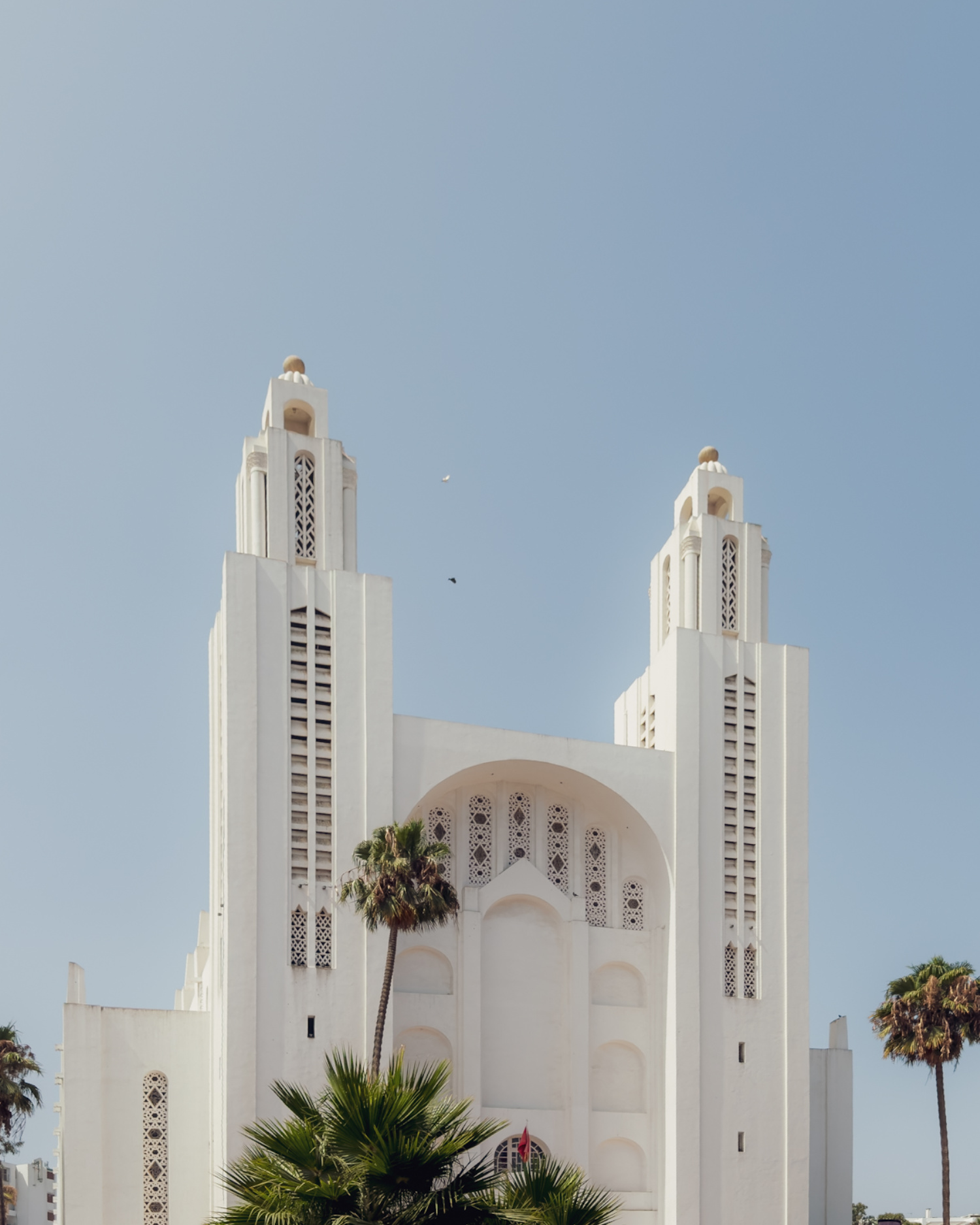
Loved the film? The real Casablanca is even better, offering a captivating blend of Moroccan tradition and cosmopolitan flair.Affectionately nicknamed ‘Casa’ by locals, Casablanca is a heady seaside metropolis where palm trees and glass skyscrapers meet history, culture, mosques, and markets. As Morocco’s economic capital and largest city, it hums with energy. Here are some of our favourite things to see and do:ArchitectureBefitting its rich history, the streets of Morocco’s ‘white city’ boast an eclectic mix of architectural styles—from modern skyscrapers and traditional Moroccan design to French-colonial Mauresque (a French take on the traditional Moroccan style) and Art Deco. Some notable buildings include:Hassan II Mosque: The city’s most iconic landmark is set on a rocky outcrop at the edge of the ocean, giving the impression that it’s floating on water. The second largest mosque in Africa with the highest minaret in the world, it can hold more than 100 000 worshippers, with a retractable roof. Guided tours are available.Ciné-théâtre Lutetia: This independent cinema is a landmark of Moroccan Modernism.Cinema Rialto and La Poste Centrale (central post office): Art Deco fans shouldn’t miss a visit to these two prime Art Deco landmarks.Sacred Heart Cathedral (L’Eglise du Sacré-Cœur): A stunning blend of Gothic & Art Deco styles, now a cultural centre.Hassan II MosqueCinema RialtoL’Eglise du Sacré-CœurNeighbourhoods & shoppingThe Old Medina (Ancienne Médina): Casablanca’s historic heart, full of narrow winding alleys, bustling markets, whitewashed buildings, and painted doors. Visit the souks here to barter for crafts, textiles, and seafood.The New Medina (Quartier Habous): Built during French colonial rule to resemble an idealised version of a traditional Moroccan neighbourhood with wider streets, grand archways, tiled fountains, and a more relaxed pace. A French-Moroccan blend of souks, bookshops, and historic bakeries. Stock up on handcrafted souvenirs and local sweet treats, like traditional almond pastries at Pâtisserie Bennis Habous.Morocco Mall: Africa’s largest shopping centre, home to international brands, also has an ice rink, a musical fountain, a 6D movie theatre and an aquarium.Kuba Concept Store: Onomo Casablanca City Center’s resident boutique concept store is a treasure trove of bold Afropolitan fashion.Artsy Concept Store: A curated collection of fashion, jewellery, and homeware from local designers.Zyne: This luxury, artisan shoe brand reimagines the iconic Moroccan babouche for the 21st century.LNKO: Need new sunnies? Pop in for a browse at this fashion-forward Moroccan eyewear brand.Also worth a visit: We are Zaz, To Concept Store, Createurs Concept Store, and The Eight Concept.Kuba Concept StoreArtsy Concept StoreZyneLNKOTo Concept StoreCreateurs Concept StoreFoodAuthentic Moroccan food: For a taste of traditional Moroccan cuisine, head to La Sqala, set within a historic fortress, or Dar Dada, tucked away among the alleyways of the Old Medina inside a charming ‘riad’ (traditional Moroccan house with a central courtyard). The Marché Centrale: Thanks to its coastal location, Casablanca’s menus often feature the catch of the day. This lively market is paradise for foodies, especially for fresh seafood, but also spices, olives, street food, flowers, and souvenirs—from antiques to old movie posters.Rick’s Café: Fans of the iconic 1942 movie, Casablanca, might be disappointed to hear that it wasn’t filmed in the city, but on a Hollywood set. Luckily, movie lovers can relive the romance at this faithful recreation. Opened in the early 2000s inside a restored mansion, this restaurant channels the film’s iconic gin joint with regular live piano music and jazz sessions.Azour Terrace & Lounge: Onomo Hotel Casablanca City Center’s resident eatery is a hip-and-happening spot with a sun-drenched terrace that dishes up African and Mediterranean tapas and signature cocktails. Sain Levant:. Located inside new 5-star stay, Le Square by Onomo Collection, Sain Levant’s menu draws inspiration from Levantine cuisine while incorporating local Moroccan flavours.La SqalaDar DadaRick’s CaféAzour Terrace & LoungeSain LevantSightsTake a bath: Experience an authentic hammam (public bathhouse). Popular options include Hammam Ziani and the hammam at the Hassan II Mosque.Go back in time: Discover the city’s rich history at the new Casablanca Memory Museum, set inside a beautifully restored historic villa.Soak up the atmosphere: United Nations Square is a lively public square at the entrance to the Old Medina that’s always buzzing with energy.Get back to nature: Arab League Park (Parc de la Ligue Arabe) is a historic urban oasis offering a lush respite from the bustle of the city.Go for a stroll: Hugging the Atlantic coast, La Corniche is a kilometre-long seaside promenade that’s as great for the views as it is for people-watching.Work on your tan: Ain Diab is Casablanca’s most popular sandy beach. Lined with eateries, it comes alive in the evenings and on weekends. Hassan II MosqueParc de la Ligue ArabeCasablanca Memory MuseumArtVilla des Arts de Casablanca: A contemporary art museum housed in a grand Art Deco Villa, showcasing both local and international artists.AA Gallery: A gallery and artist’s residency dedicated to contemporary African art, supporting emerging artists and cross-cultural exchange.La Galerie 38: This gallery nurtures both emerging and established artists and forms part of the Studio des Arts Vivants cultural centre that also encompasses a theatre and art school. Alouane Bladi: This non-profit group takes visitors on immersive street art tours of the city. La Galerie 38AA GalleryVilla des Arts de CasablancaFestivalsThe Jazzablanca Festival is a major annual festival of jazz and related genres like pop, soul, rock, funk and world music.The Onomo Summer Fest is an annual African music festival that celebrates the sounds of the continent, from afro-pop and hip-hop to amapiano. Jazzablanca FestivalOnomo Summer FestGetting aroundCasablanca’s modern tramway system is an efficient and convenient way to navigate the city.Where to stayOnomo Hotel Casablanca City Center📍 Address: 44 Bd d’Anfa, CasablancaOnomo Hotel Casablanca Sidi Maarouf 📍Boulevard 60, Sidi MaâroufOnomo Hotel Casablanca Airport 📍 Address: H6, Nouacer ZF 6, lotissement du Parc Industriel Midparc CasablancaLe Square by Onomo Collection📍 Address: 31 Rue Moussa Ben Noussair, CasablancaOnomo Hotel Casablanca City CenterOnomo Hotel Casablanca Sidi MaaroufOnomo Hotel Casablanca AirportLe Square by Onomo CollectionDid you know?Casablanca wasn’t always known by its current name. Originally dubbed Anfa (‘hill’) in the 7th century BC by the Amazigh people, it later became a trading port under the Phoenicians before the Romans took over. In the 12th century, the town served as a pirate base. When the Portuguese occupied the city in the 15th century, they changed the name to Casa Branca (‘white house’ in Portuguese) after a prominent white landmark on the coast. In the 18th century, Moroccan Sultan, Mohammed ben Abdallah, reclaimed the city after an earthquake and renamed it Dar El Beïda (white house in Arabic). Eventually, Spanish merchants who settled in the city popularised the name Casablanca.
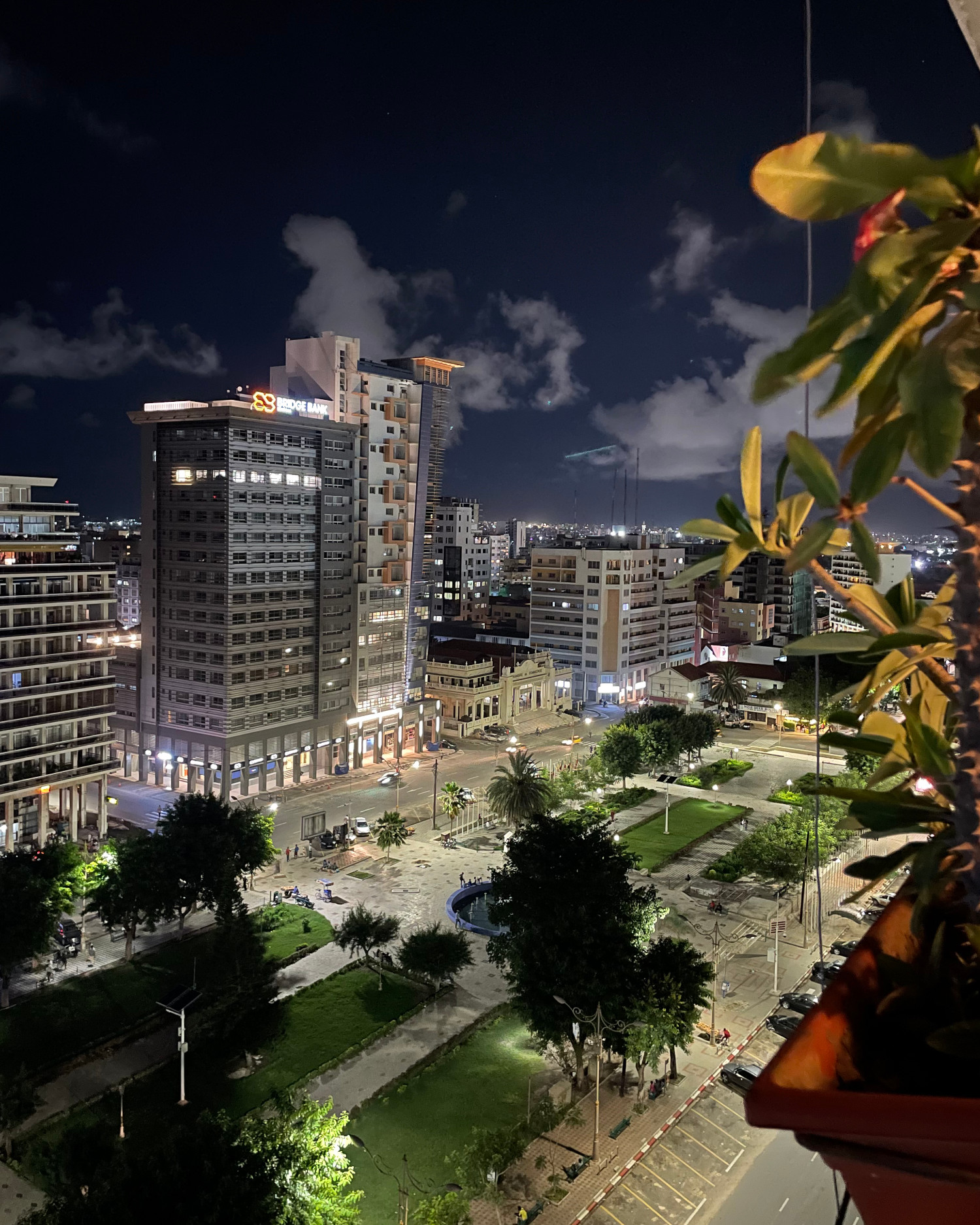
We invited Sarah Bozon, founder of GURSHA, an afro-diasporic creative studio that explores identity through art, storytelling, and cultural rituals, to take us on a tour of her favourite places in Dakar—the city she called home for two unforgettable years.Welcome to Dakar—a vibrant artistic capital at the crossroads of Afro-diasporic cultures. Senegal’s capital is a melting pot of creativity that brims with cutting edge art galleries, vibrant concept stores, striking architecture and culinary gems where every bite tells a story. This first edition in my The Taste of Sharing African City Guides series is more than a list of must-sees. It’s a heartfelt, sensory invitation to experience the soul of Dakar—a place where energy pulses through every street; where tradition and imagination live side by side. Through my eyes, this journey becomes one of connection, emotion, and transmission. A tribute to shared meals, exchanged glances, inherited gestures—a love letter to the art of feeling.Mamelles beachEmbroideries details from the thousand embroiderers district in Sandaga marketHistorical Sandaga marketFashionIn Dakar, fashion is a living language—an expression of pride, memory, and modernity. Here, garments speak before words and style carries history on its shoulders. Designers blend Senegalese craftsmanship with contemporary aesthetics, creating pieces that celebrate African heritage while pushing global trends.L’Artisane: Known for reviving the boubou with a modern twist, Khadija Aisha Ba integrates retro-chic styles with Fulani-inspired jewellery and accessories. 📷 @lartisane.shopRomzy Studio: A striking blend of bold storytelling and cultural memory. 📷 @romzystudioRomzy Studio: A striking blend of bold storytelling and cultural memory. 📷 @romzystudioMaison Kébé: Understated elegance, refined silhouettes, and poetic lines.📷 @maisonkebeAlso worth exploring: BAAX Studio, Maison Detta, Bolé, and Nio Far — each with a unique approach to contemporary African design. 📷 @baaxstudio_ 📷 @maisondetta 📷 @bole.dakar 📷 @niofarbymilcosL’Artisane BubusL’Artisane BubusDungandzy 2023 fashion experience show, Romzy StudioHomewareDakar’s homeware stores reflect the city’s rich artisanal traditions. From handwoven textiles to contemporary furniture, each piece carries memory, meaning, and spirit while blending functionality with artistry. Éluwa Studio: Sculptural luxury scented candles that marry earthy minimalism with continental consciousness. 📷 @eluwa.studioOusmane Mbaye: A pioneer in upcycled furniture with attitude. Playful, colourful, and unmistakably bold. 📷 @ousmanembaye_designTisserand Dakar: Traditional weaving meets modern sensibility. A celebration of craft and patience. 📷 @tisserand.dakarFoodIn Dakar, food is always an act of love. It’s how stories are passed down, how communities connect, and how strangers become family.Il PappagalloBan cafe NolianeBante Yi at Sandaga market: More than just street food, it’s a journey into the heart of Sandaga’s energy. Brave the smoky air and join the locals savouring freshly grilled skewers seasoned with ‘kankan.’ This is Dakar in its purest, most vibrant form—an experience that awakens the soul. Ban Café: A cosy, sunlit spot for early morning brews and gentle rituals. 📷 @ban.cafeIl Pappagallo: A relaxed Italian escape, wrapped in warmth and charm. 📷 @il_pappagallo_dakarHidden gems like Noliane, Basilic, and KOTAO Coffee are perfect for quiet moments and thoughtful bites. 📷 @nolianedakar 📷 @lebasilicdakar 📷 @kotao.coffeeNightlife & entertainmentWhen the sun sets, Dakar shifts into a new rhythm. The nights here are electric, spontaneous, and full of soul.Copacabana Surf Village Playground by Onomo x Dola after party at Onomo Dakar, 2023 Independence place by night viewCopacabana Surf Village: A beachfront venue perfect for laid-back evenings and chill Sundays. The ocean breeze, sand between your toes, music in the air, a place to call home. 📷@copacabanasurfvillageTRAMES: An artistic hideaway and safe haven for creatives, with their mythic ‘Les Jeudis de Trames’ musical rendezvous on the rooftop. 📷@espacetramesGROOV: A brand new intimate spot where curated sound, crafted cocktails, and urban-inspired cuisine come together for a unique sensory experience. 📷@groovdkrTry Boma Terrasse, Dousman, Funky Monkeys or The Bashment parties for vibrant evenings and diverse vibes. 📷 @bomaterrasse 📷 @thebvshment 📷 @dousman.dkr 📷 @funkymonkeys.mvtArchitectureThis is a city that remembers. Walk its streets and you’ll see how past and future coexist in every arch, dome, and curve. Dakar’s architecture is a testament to its history and innovation. From colonial-era landmarks to futuristic designs—the cityscape is a visual feast. Mosque of the Divinity Mosque of the DivinityArchitecture in plateau Dakar International Trade Fair Centre (FIDAK): A relic of Pan-African dreams and monumental ambition. 📷 @foireinternationalededakarMosque of the Divinity: A striking example of Islamic architecture rising gracefully by the Atlantic ocean—serene and symbolic. Our Lady of Victories Cathedral: Powerful lines, quiet power.The Bubble Houses: Whimsical, almost surreal—architecture that’s an ode to freedom, fluidity, and utopia in built form; designed by architect Antti Lovag.Dakar Train Station: A beautifully restored colonial-era building.Immeuble Kébé—One of the first modern skyscrapers in West Africa (completed in 1973). It features 21 floors and a contemporary architectural style, symbolising Dakar’s urban development during the 1970s.Concept storesMore than boutiques, these are spaces of encounter and expression — curating lifestyle, fashion, and artistry under one roof. Le Sandaga shopL’Atelier NomadAnne CalfoL’Atelier Nomad, Anne Calfo, Le Sandaga, SassyChic Boutique — each store holds its own world, where tradition meets trend. 📷 @lateliernomad 📷 @annecalfo.dakar 📷 @lesandaga.shop 📷 @sassychicboutiquedakarArt galleriesArt is everywhere in Dakar — in the streets, in the galleries, in the rhythm of daily life. These spaces shine a light on emerging voices and rooted narratives. Selebe YoonGalerie Cécile Fakhoury – J’aimerais me voir dans tes yeux by Rachel Marsil, 2022OH GALLERY – Théodore Diouf, Cinquante ans de création by Théodore Diouf, 2023Selebe Yoon, OH GALLERY, RAW Material Company, Galerie Cécile Fakhoury, Galerie La Pièce—champions of creativity and cultural dialogue. 📷 @selebe_yoon 📷 @oh.gallery 📷 @raw.gram2011 📷 @galeriececilefakhoury 📷 @rana_salehobArtistic activitiesFrom ceramics to photography—these artistic activities nurture hands-on creation, shared knowledge, and emotional expression. Discover the heart of Dakar’s spirit through tradition and innovation. Ban WorkshopLe Sel DakarGreen WaveGreen Wave: Green Wave is an ethical jewellery brand that teaches traditional silversmithing techniques to women living in shelters. Pieces are made with 100% recycled silver cast in natural materials from the ocean (like cuttlefish bones and beach sand). They also run workshops to the public. 📷 @greenwavejewelleryBan Workshop: Pottery workshops to reconnect with the self. 📷 @banworkshopLe Sel Dakar: An analogue photo development workshop. 📷 @le_sel_dakarLES BALLADES ARCHITECTURALES: Guided explorations into the city’s rich architectural landscape led by an amazing Senegalese architect and activist. 📷 @afrikadaamagazineThis guide is not just a list—it’s a living map. An invitation to slow down, to look closer, to savour, and to connect. Because at the heart of The Taste of Sharing, there’s always this belief: True luxury is about shared moments—a gaze, a gesture, a bite. Welcome to Dakar!For a break of the city bustle and hustle, Onomo Hotel Dakar will be your perfect home away from home: https://www.onomohotels.com/hotel/onomo-hotel-dakar/About the authorSarah Bozon is a Franco-Ethiopian creative and the founder of GURSHA, a strategic design studio supporting artists, emerging designers, and cultural institutions across the Afro-diasporic creative scene. Through The Taste of Sharing—an immersive event concept and new-generation city guide—she invites travellers to experience African cities through the lens of art, design, culinary rituals, and hospitality.Born in Ethiopia and raised in France, Sarah now lives between Dakar and Marseille, building bridges between continents, cultures, and generations. Her work is rooted in the desire to reconnect diasporic communities with their heritage, while offering a contemporary and sensitive vision of Africa. GURSHA—meaning ‘the bite’ in Amharic—is a tribute to the traditional Ethiopian gesture of offering food as an act of love and connection. With each project, Sarah creates spaces and narratives that celebrate Afro-diasporic identity and inspire new ways of experiencing the continent.Sarah Bozon – Dakar, 2022.@gursha.fr@thetasteofsharing–
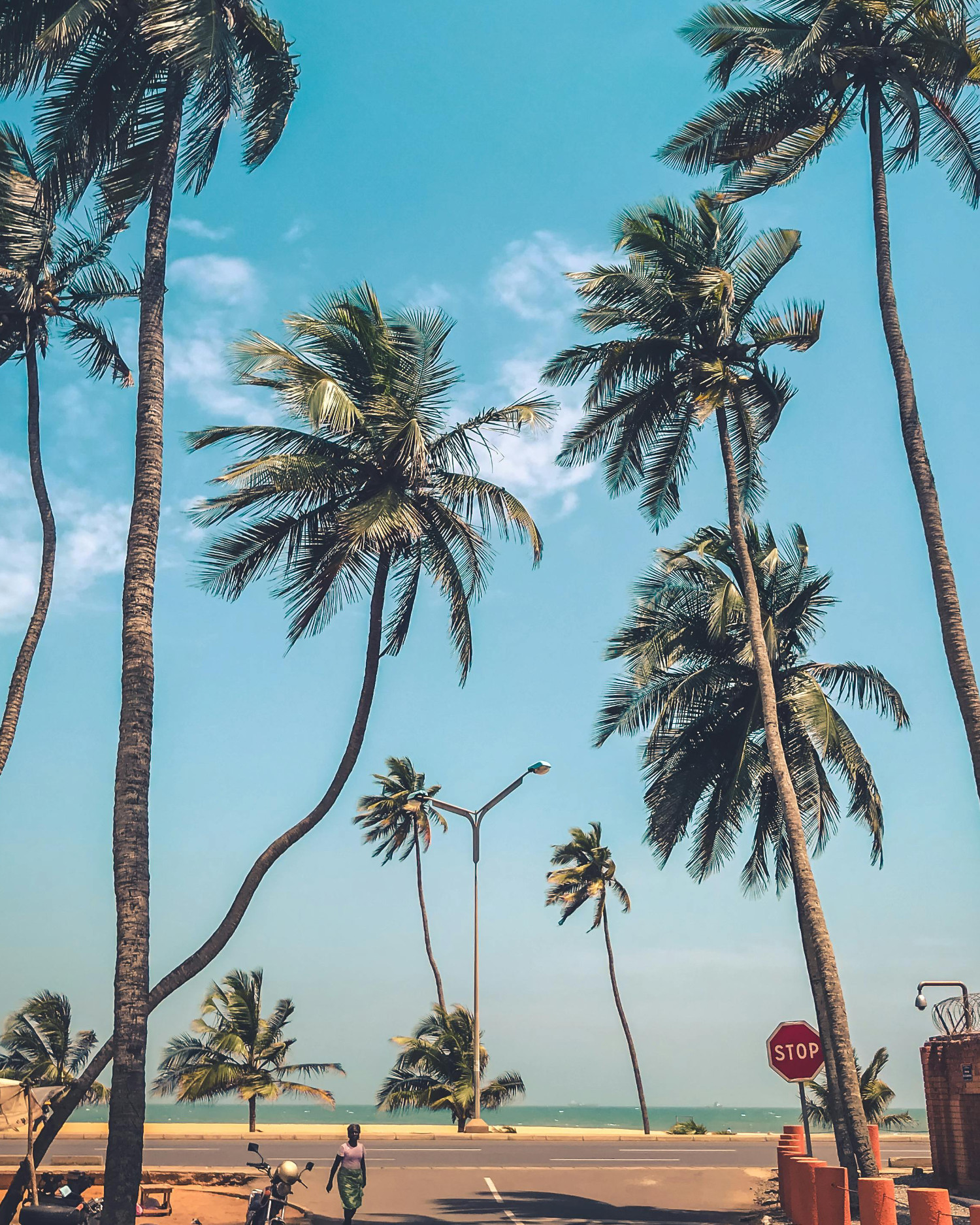
Known for its beautiful beaches, bustling markets and friendly locals, there’s a lot to love about Lomé. Here are ten things to know about Togo’s capital.GeographyTogo, one of the smallest countries in West Africa, is a thin strip of land wedged between Ghana and Benin. Lomé, the capital city, lies on the coast. Its palm-fringed beaches are a major drawcard.LanguageTogo is a multilingual country and Lomé locals speak many different languages. The city’s official language is French, while Togo’s national languages are Ewe and Kabiyé.NameThe name Lomé comes from Alomé, meaning ‘among the alo trees’ in Ewe. It is a remnant of a time when the area was an alo forest.MarketsLomé has a vibrant market culture. The Grande Marché is one of the largest markets in Togo—a colourful, bustling, sensory experience. The spires of the Sacred Heart Cathedral tower in the background, its interior adorned with frescoes of African saints. Akodésséwa Fetish Market is the world’s largest voodoo market, where practitioners offer consultations and you can also buy fetishes, charms and other items used in voodoo practices.Sacred Heart Cathedral by Dan Sloan, ArchitectureOne of the city’s most iconic architectural highlights is the Hôtel de la Paix. Once a popular beachfront hotel built in the African Brutalist style, it fell into disrepair in the 2000s. Today, artists and musicians rent its rooms as studios.Art, culture and biodiversityAnother iconic architectural highlight is the Palais de Lomé, a former colonial governor’s palace reimagined as a centre for art, culture and biodiversity. Today the palace hosts exhibitions by some of Africa’s leading contemporary artists, alongside talks and cultural and scientific events. Overlooking the ocean, the palace is set within a lush 26-hectare park designed to reflect the diverse ecosystems of Togo. Sculptures and hundred-year-old trees dot the grounds. Birdwatching tours are available, as well as workshops in everything from beekeeping to drawing, comic design, traditional plant uses and biodiversity. MonumentsStanding tall in the heart of the city, surrounded by a public square and often lit up at night, Lomé’s Independence Monument was built to celebrate the country’s independence from France on 27 April 1960.Hotel de la Paix. © Wody Yawo Palais de Lomé by Nero2022 Independence Monument by HermannkassFoodOne way to experience the city’s food culture is by visiting a fufu bar. Fufu is a traditional Togolese staple made from boiled yams or cassava pounded with a mortar and pestle, moistened, then shaped into doughy balls. It is dipped into soups (like groundnut soup) or served as a side dish with stews. Photo by BACHELOR45Famous locals One of the city’s most famous celebrity exports is former professional footballer Emmanuel Adebayor. The Togolese striker was born here in 1984 and played for big name clubs like Arsenal, Manchester City and Real Madrid.Onomo Hotel Lomé There’s always something’s happening at this beachfront hotel. From sporting events like boxing and mixed martial arts tournaments to art exhibitions, wine-tasting classes, weddings, live music concerts in the garden, theatre, storytelling and dance performances. The hotel also plays host to the International African Haute Couture Fashion Week (FIMO228). ONOMO Hotel Lomé
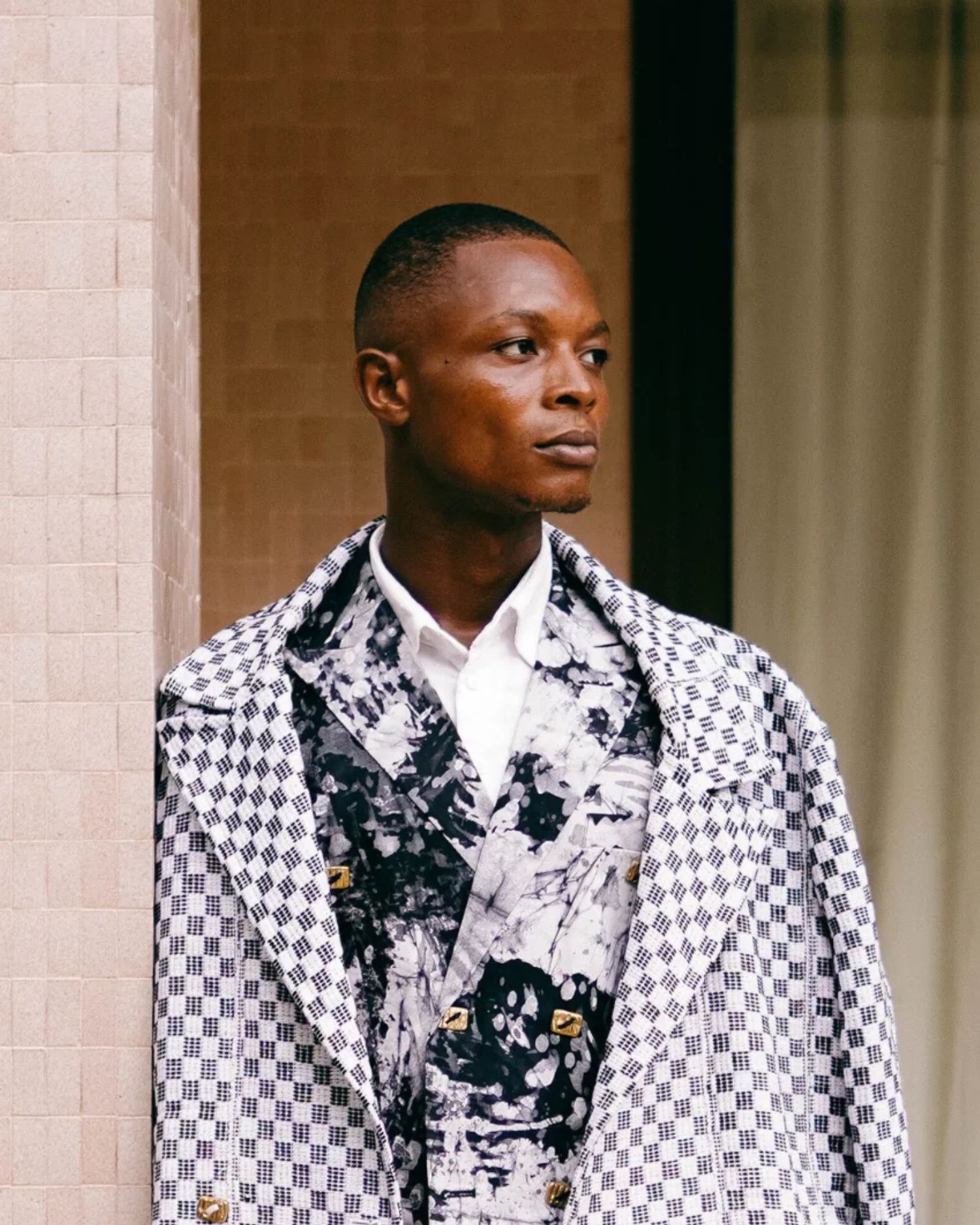
Across the continent, a new generation of African fashion designers is redefining fashion, stitch by stitch. By blending ancestral techniques with groundbreaking contemporary design and embracing slow, sustainable practices, these 10 designers are catapulting African creativity onto the global stage.Imane Ayissi Couture – Cameroon Imane Ayissi is a Paris-based Cameroonian designer whose work fuses his African heritage with Parisian haute couture. Ayissi began his career as a dancer with the Ballet National du Cameroun before pivoting to fashion. After moving to Paris in the ‘90s, he modelled for big names like Dior and Valentino before becoming a couturier. In 2020, he made history as the first designer from Sub-Saharan Africa to show on the official Paris Haute Couture Week schedule. Zendaya is a fan.@imane_ayissi www.imane-ayissi.comZyne – MoroccoThis handcrafted luxury shoe brand is bringing iconic Moroccan shoe, the babouche, into the 21st century—merging tradition with contemporary design. Each shoe takes 35 hours to make by hand. Shoes are dyed using vegetable scraps and spices and embroidered using traditional Moroccan techniques by a cooperative supporting local women.@zyneofficialwww.zyneofficial.comTongoro – Senegal A 100% African-made online clothing brand, with everything sourced from the continent and produced by local tailors in Dakar, Senegal. Rather than designing for the catwalk, Tongoro’s focuses on playful, unique, and affordable everyday wear. Fans include Beyoncé, Alicia Keys, Iman, and Burna Boy.@tongorostudiowww.tongoro.comIAMISIGO – Nigeria IAMISIGO is a contemporary wearable art brand based between Lagos, Nairobi and Accra. The brand incorporates waste materials, Nigerian textile traditions, unconventional fibres and upcycling into handmade wearable artworks—all with a vision to preserve history, reclaim forgotten historical narratives, and honour ancestral techniques.@iamisigowww.iamisigo.com/Awa Meité – MaliDesigner Awa Meité is more interested in the materials her clothes are made from—their origins, stories, the value they bring to the communities she works with, and their global footprint—than in trends. Each piece is handmade using leather, hand-woven fabrics, and cotton that has been grown, processed, designed and tailored locally, with the help of Malian artisans using traditional techniques. @awameitedesignwww.awa-meite.comLukhanyo Mdingi – South Africa This award-winning, Cape Town-based ready-to-wear label marries local crafting techniques with contemporary luxury fashion by partnering with African artisans and NGOs —including weavers from the Cape Town township of Khayelitsha and textile artisans at CABES GIE in Burkina Faso. @lukhanyomdingiwww.lukhanyomdingi.co.zaKente Gentlemen – Côte d’Ivoire Kente Gentlemen is an Abidjan-based contemporary clothing and accessories label that collaborates with local artisans on a mission to promote the ethical production and consumption of clothing. Designer and founder Aristide Loua says colour, poetry, and culture are essential to his design process: ‘Colour is the emotion, poetry is the messenger, culture is my voice.’@kentegentlemen www.kentegentlemen.comTRAVEL. – Morocco Ivorian art director, model, and designer Patrice Kouadio’s Marrakech-based label is inspired by Africa’s rich heritage. Kouadio sees every piece in his collection as a wearable postcard of Marrakech—one not just to be admired, but to be worn. Each item invites the wearer to embark on a journey through the world of African aestheticism, while also carrying and cherishing the memory of their travels with them. The brand collaborates with local artisans to support their work and preserve traditional crafting techniques.@shop_travelwww.travel-archikech.com Moshions – Rwanda This luxury Rwandan fashion house, based in Kigali and founded by Moses Turahirwa, draws inspiration from elements of traditional Rwandan culture, reinterpreting and updating them for the present: like incorporating traditional geometric Imigongo patterns or putting his own gender-neutral spin on the Rwandan mushanana. Everything is 100% African-made, often with the help of local artisans. His client list includes American singer John Legend, Rwandan president Paul Kagame, the famed Belgian statue Manneken Pis, and Rwandan-Scottish actor Ncuti Gatwa.@moshionswww.moshions.rw