Known for its beautiful beaches, bustling markets and friendly locals, there’s a lot to love about Lomé. Here are ten things to know about Togo’s capital.
Geography
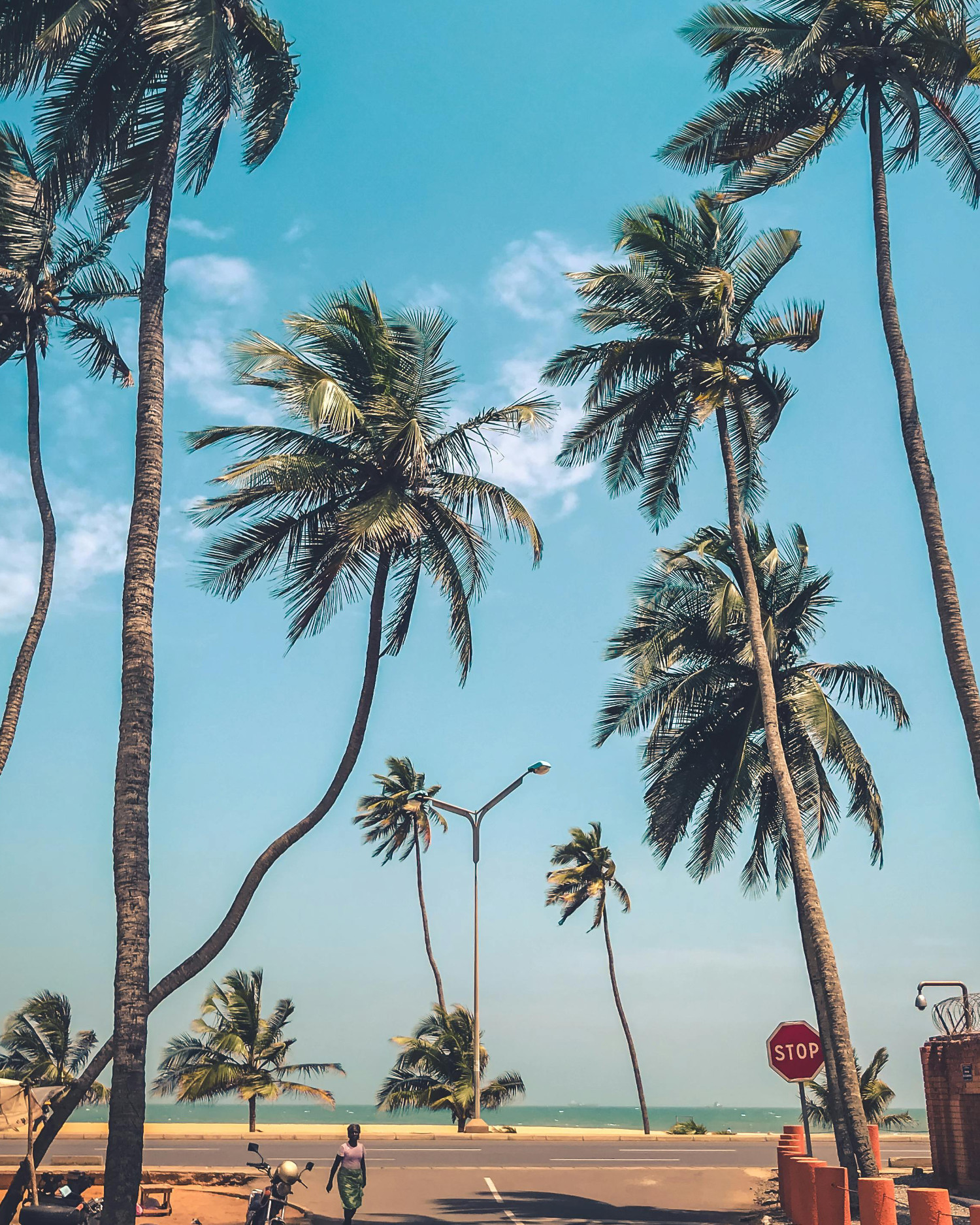
Togo, one of the smallest countries in West Africa, is a thin strip of land wedged between Ghana and Benin. Lomé, the capital city, lies on the coast. Its palm-fringed beaches are a major drawcard.
Language
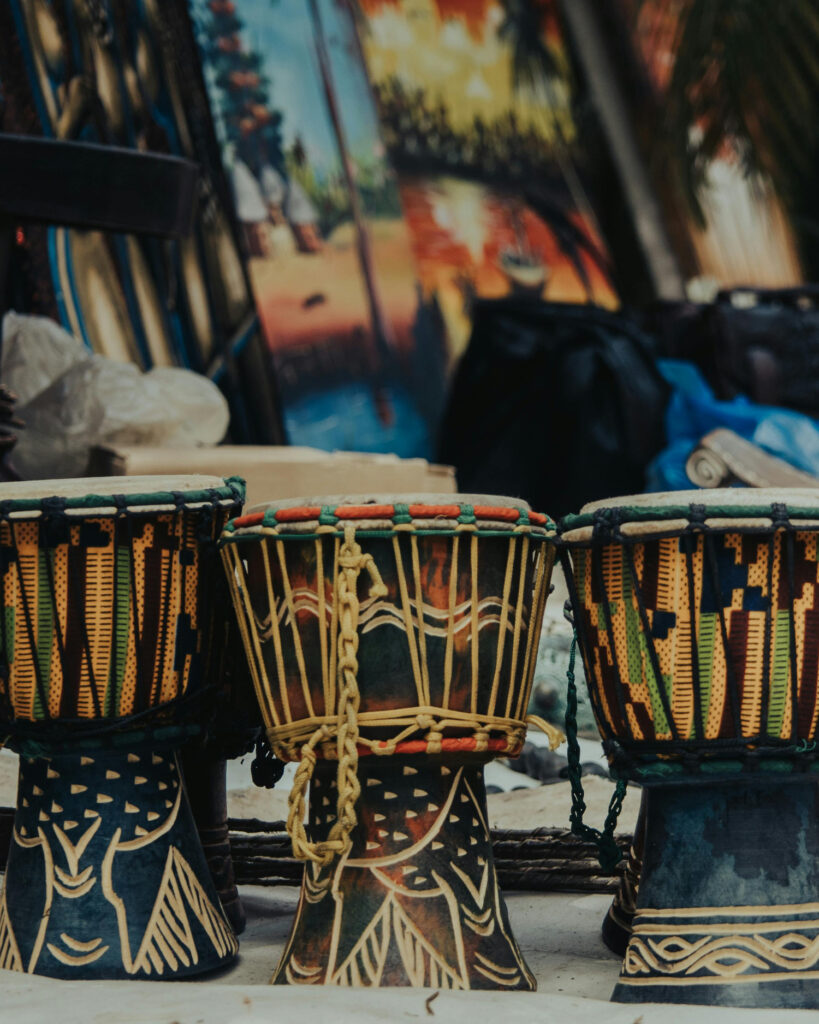
Togo is a multilingual country and Lomé locals speak many different languages. The city’s official language is French, while Togo’s national languages are Ewe and Kabiyé.
Name
The name Lomé comes from Alomé, meaning ‘among the alo trees’ in Ewe. It is a remnant of a time when the area was an alo forest.
Markets
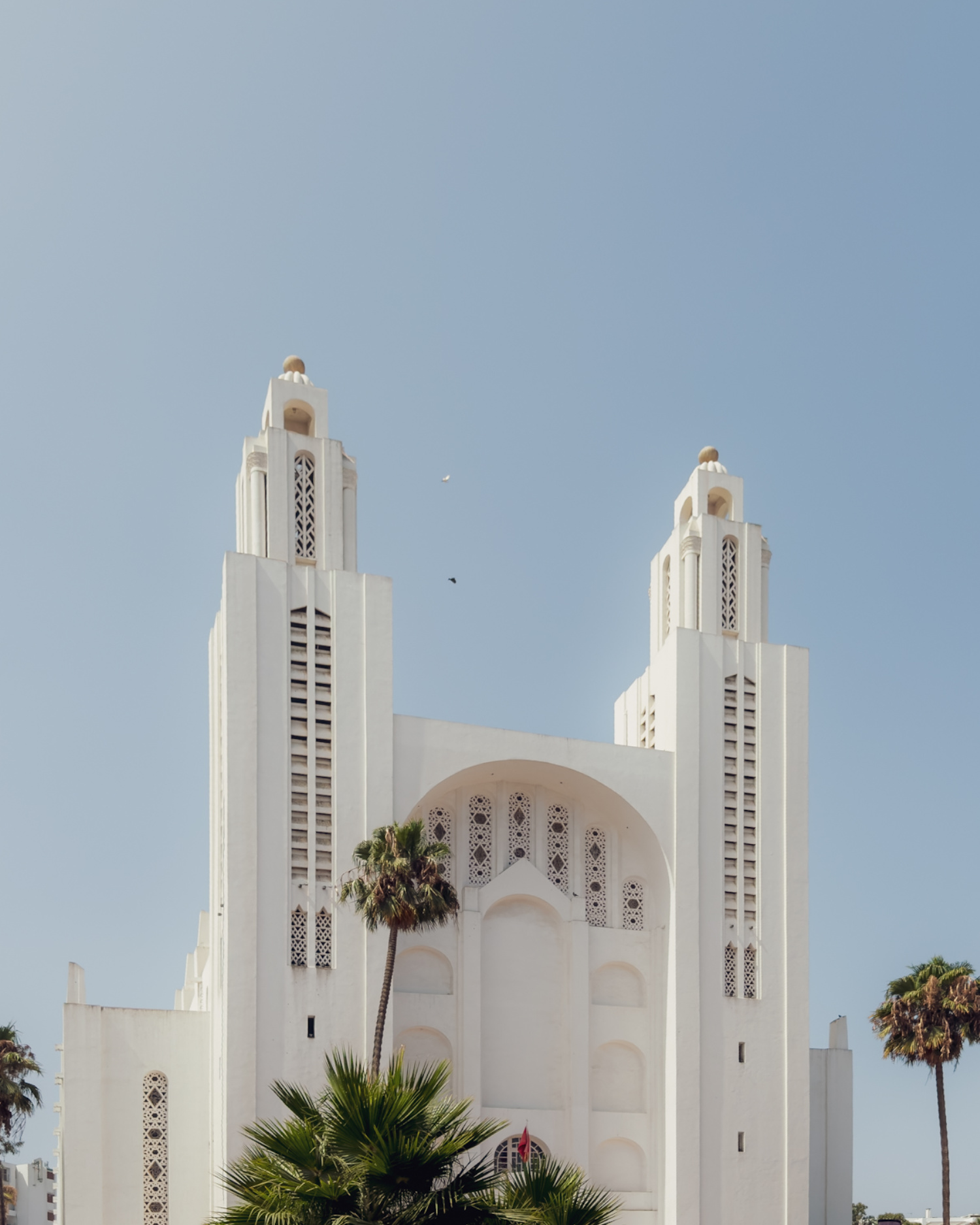
Lomé has a vibrant market culture. The Grande Marché is one of the largest markets in Togo—a colourful, bustling, sensory experience. The spires of the Sacred Heart Cathedral tower in the background, its interior adorned with frescoes of African saints. Akodésséwa Fetish Market is the world’s largest voodoo market, where practitioners offer consultations and you can also buy fetishes, charms and other items used in voodoo practices.
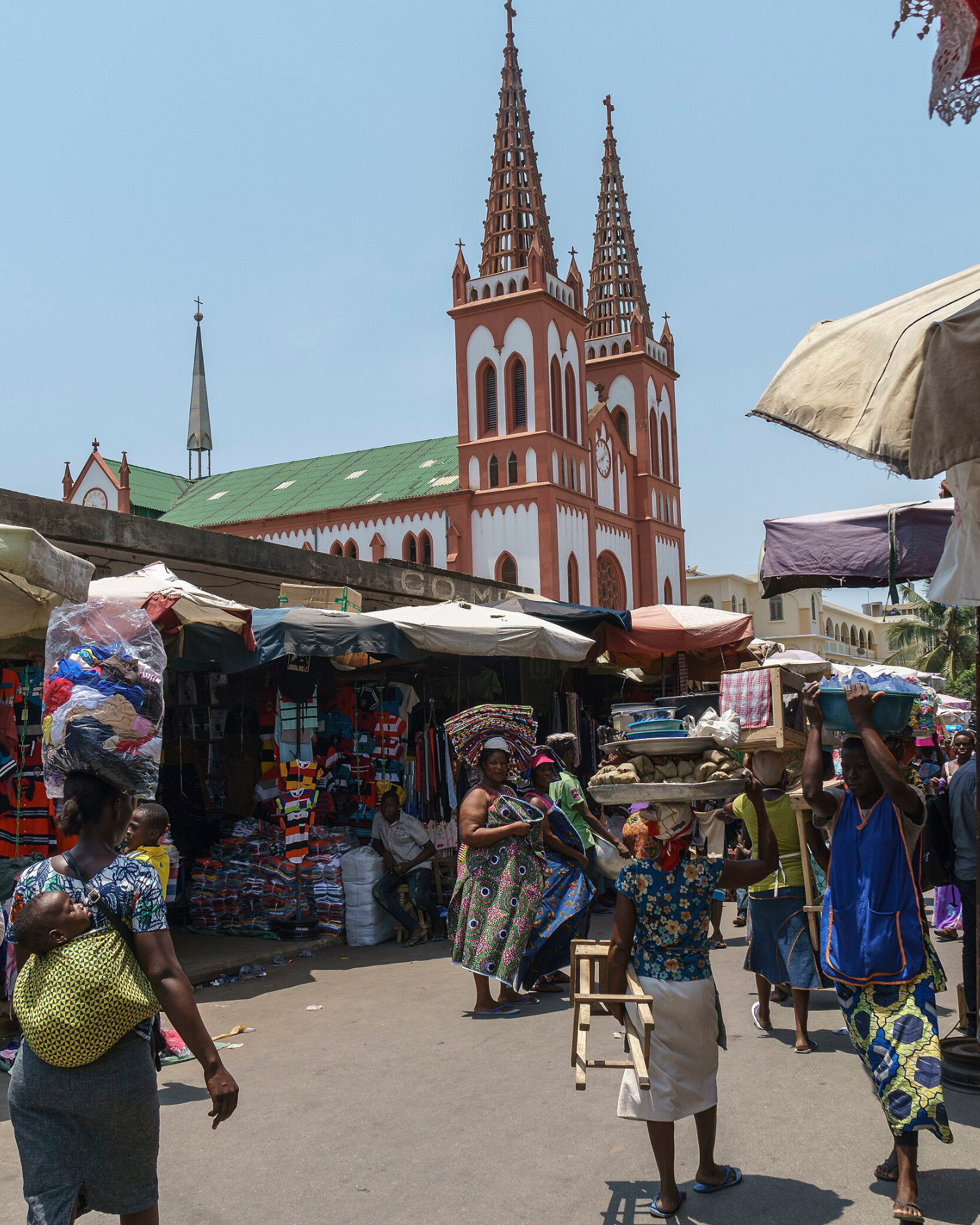


Sacred Heart Cathedral by Dan Sloan,
Architecture
One of the city’s most iconic architectural highlights is the Hôtel de la Paix. Once a popular beachfront hotel built in the African Brutalist style, it fell into disrepair in the 2000s. Today, artists and musicians rent its rooms as studios.
Art, culture and biodiversity
Another iconic architectural highlight is the Palais de Lomé, a former colonial governor’s palace reimagined as a centre for art, culture and biodiversity. Today the palace hosts exhibitions by some of Africa’s leading contemporary artists, alongside talks and cultural and scientific events. Overlooking the ocean, the palace is set within a lush 26-hectare park designed to reflect the diverse ecosystems of Togo. Sculptures and hundred-year-old trees dot the grounds. Birdwatching tours are available, as well as workshops in everything from beekeeping to drawing, comic design, traditional plant uses and biodiversity.
Monuments
Standing tall in the heart of the city, surrounded by a public square and often lit up at night, Lomé’s Independence Monument was built to celebrate the country’s independence from France on 27 April 1960.
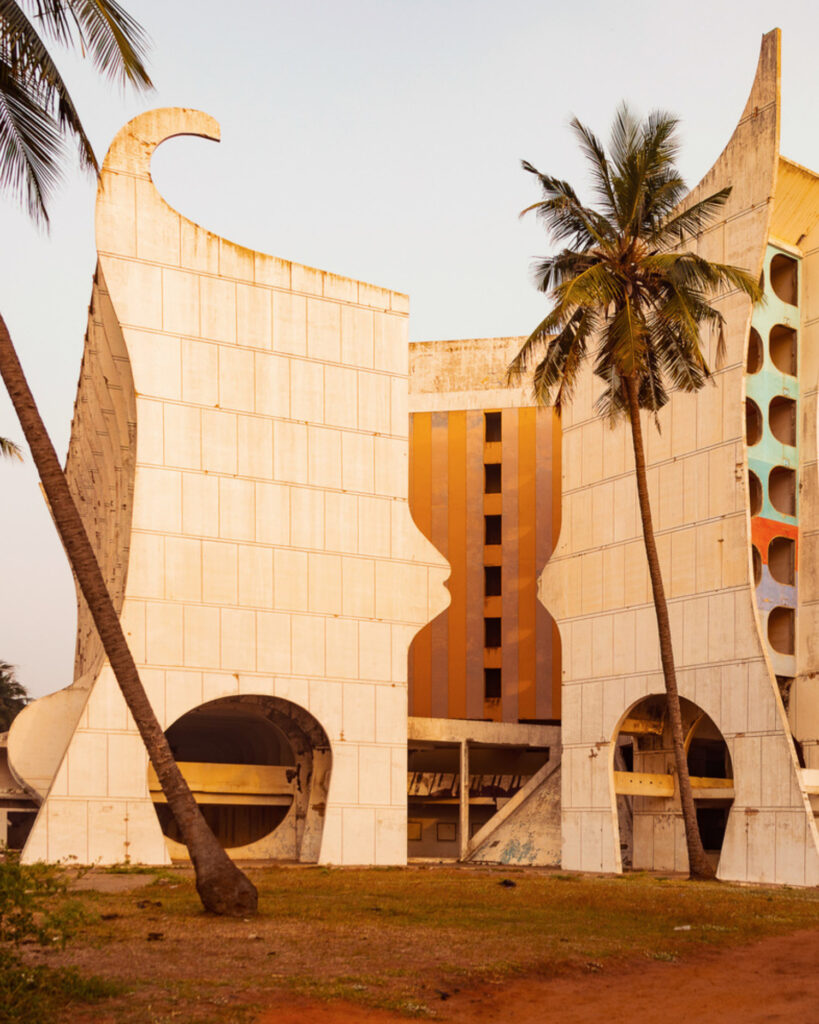
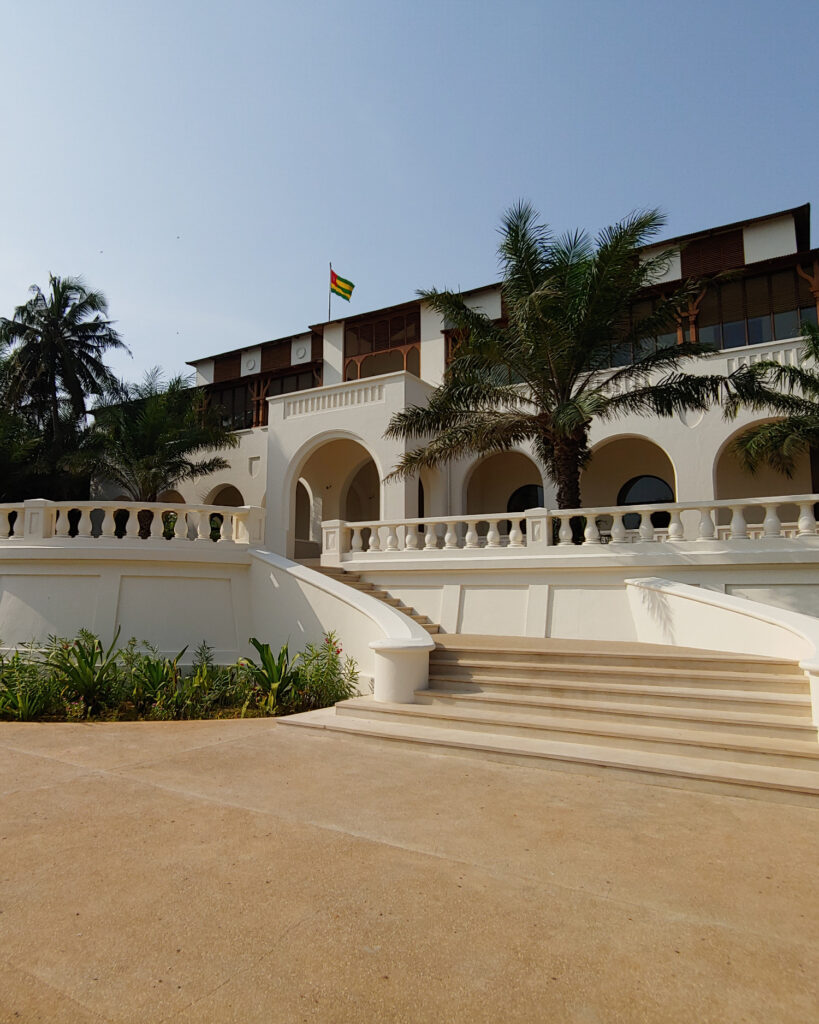
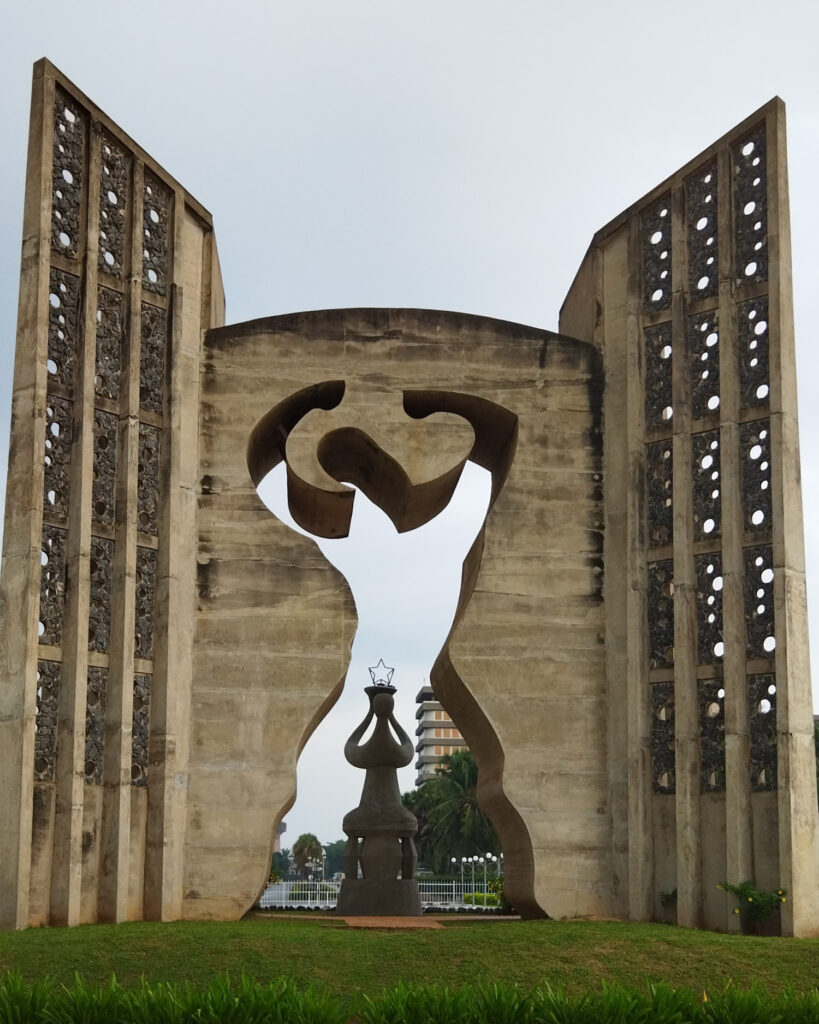
Hotel de la Paix. © Wody Yawo Palais de Lomé by Nero2022 Independence Monument by Hermannkass
Food
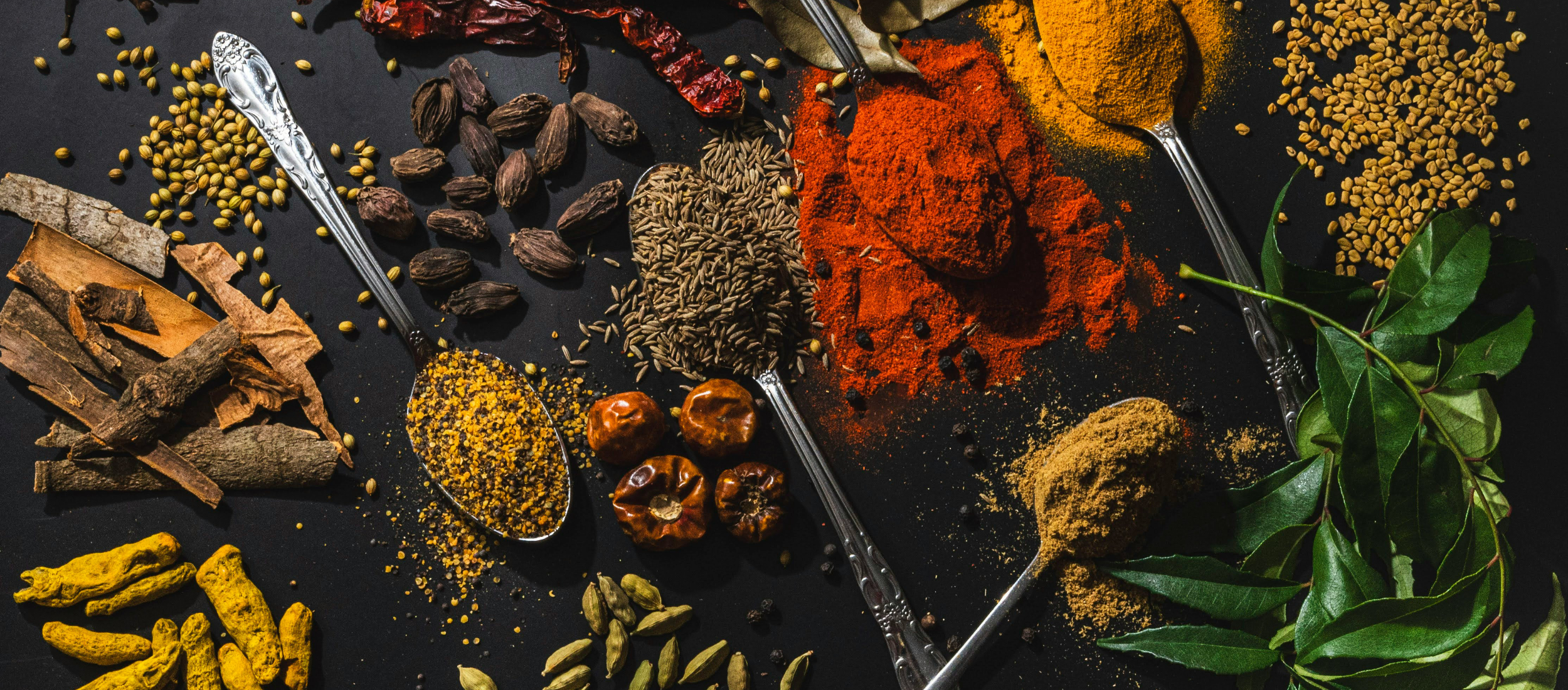
One way to experience the city’s food culture is by visiting a fufu bar. Fufu is a traditional Togolese staple made from boiled yams or cassava pounded with a mortar and pestle, moistened, then shaped into doughy balls. It is dipped into soups (like groundnut soup) or served as a side dish with stews.

Famous locals
One of the city’s most famous celebrity exports is former professional footballer Emmanuel Adebayor. The Togolese striker was born here in 1984 and played for big name clubs like Arsenal, Manchester City and Real Madrid.
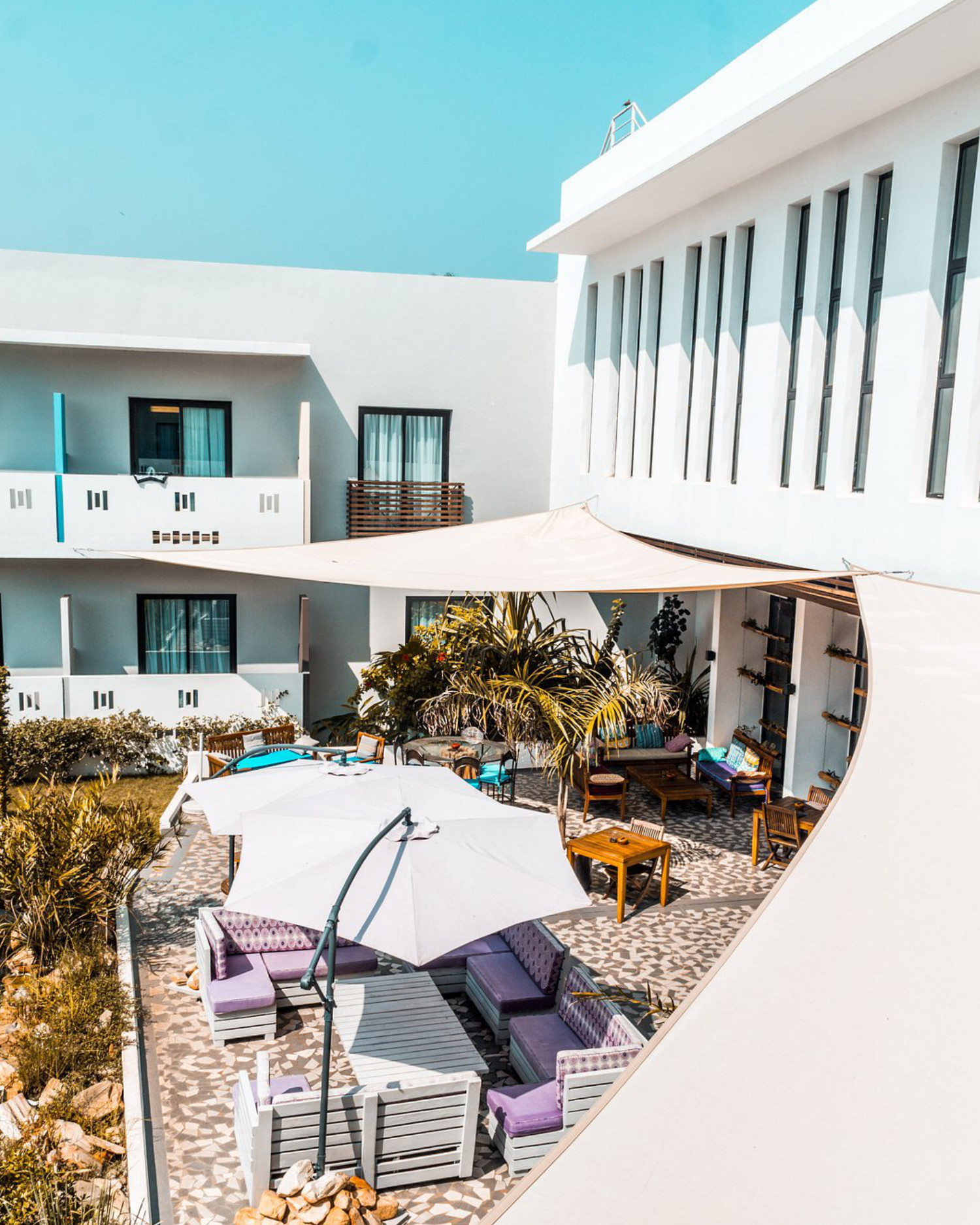
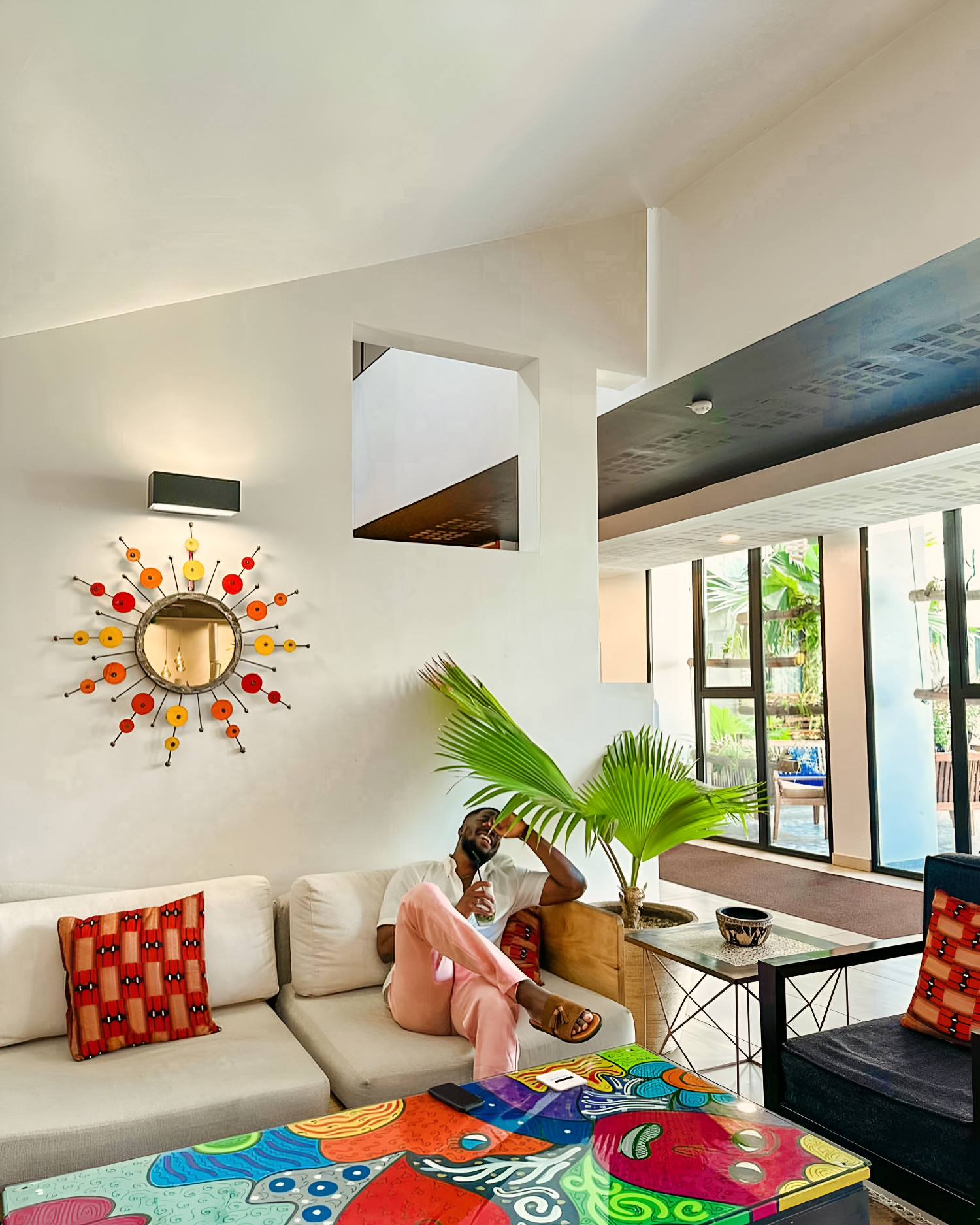
Onomo Hotel Lomé
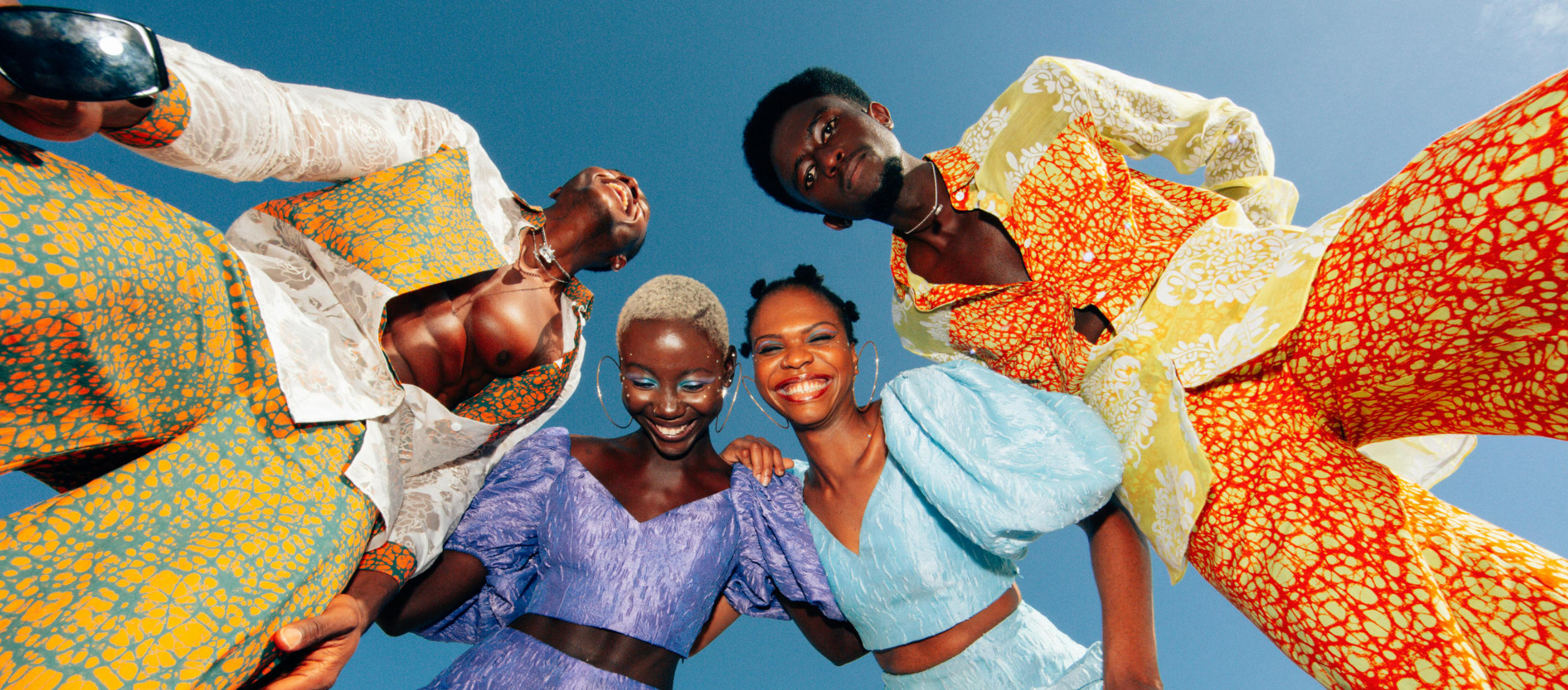
There’s always something’s happening at this beachfront hotel. From sporting events like boxing and mixed martial arts tournaments to art exhibitions, wine-tasting classes, weddings, live music concerts in the garden, theatre, storytelling and dance performances. The hotel also plays host to the International African Haute Couture Fashion Week (FIMO228).
ONOMO Hotel Lomé