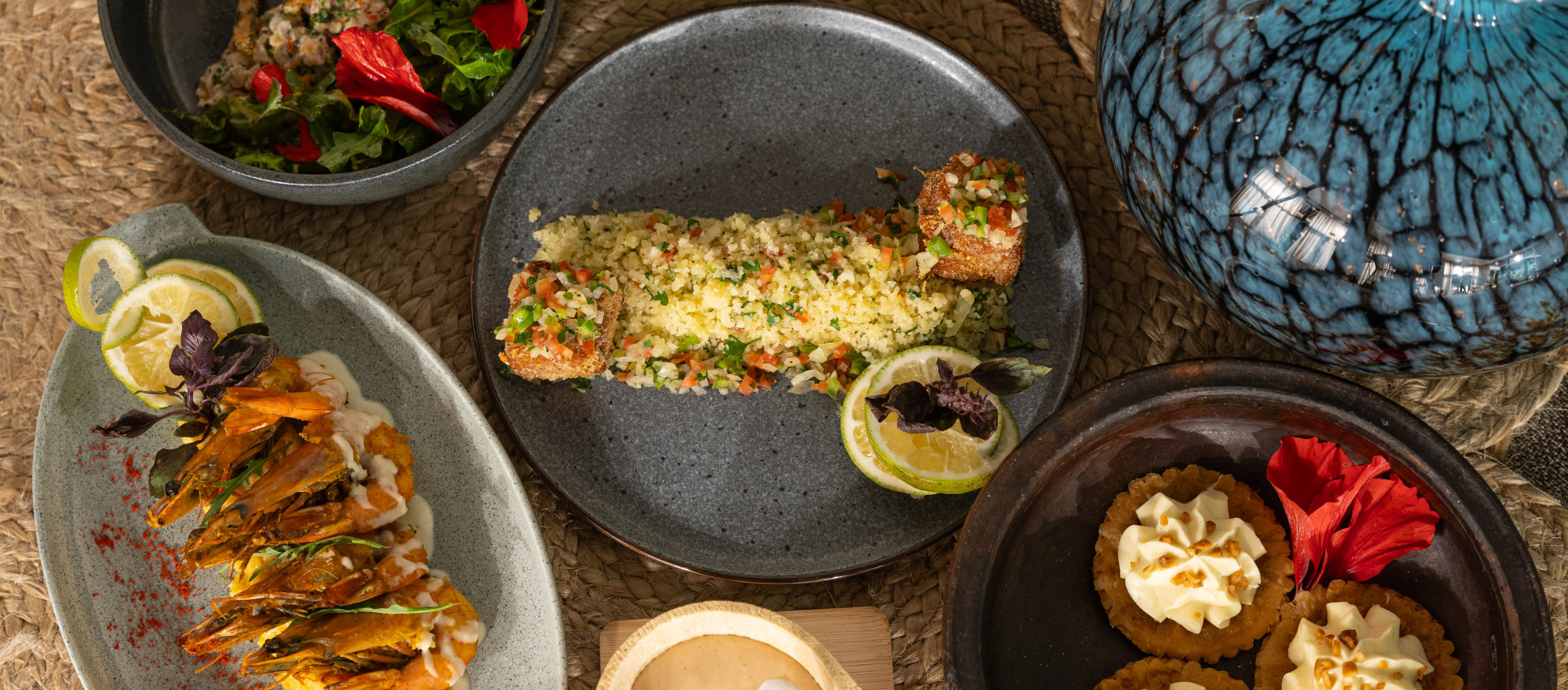
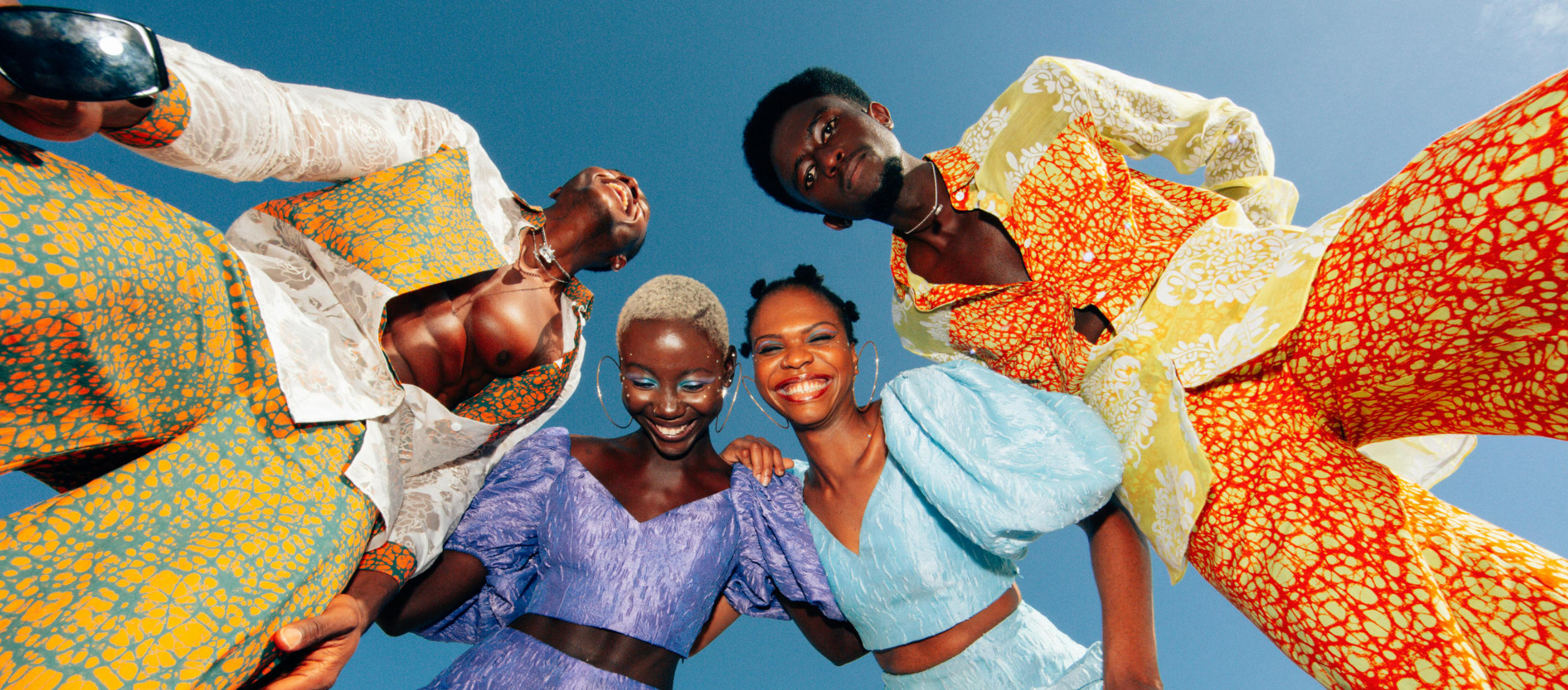
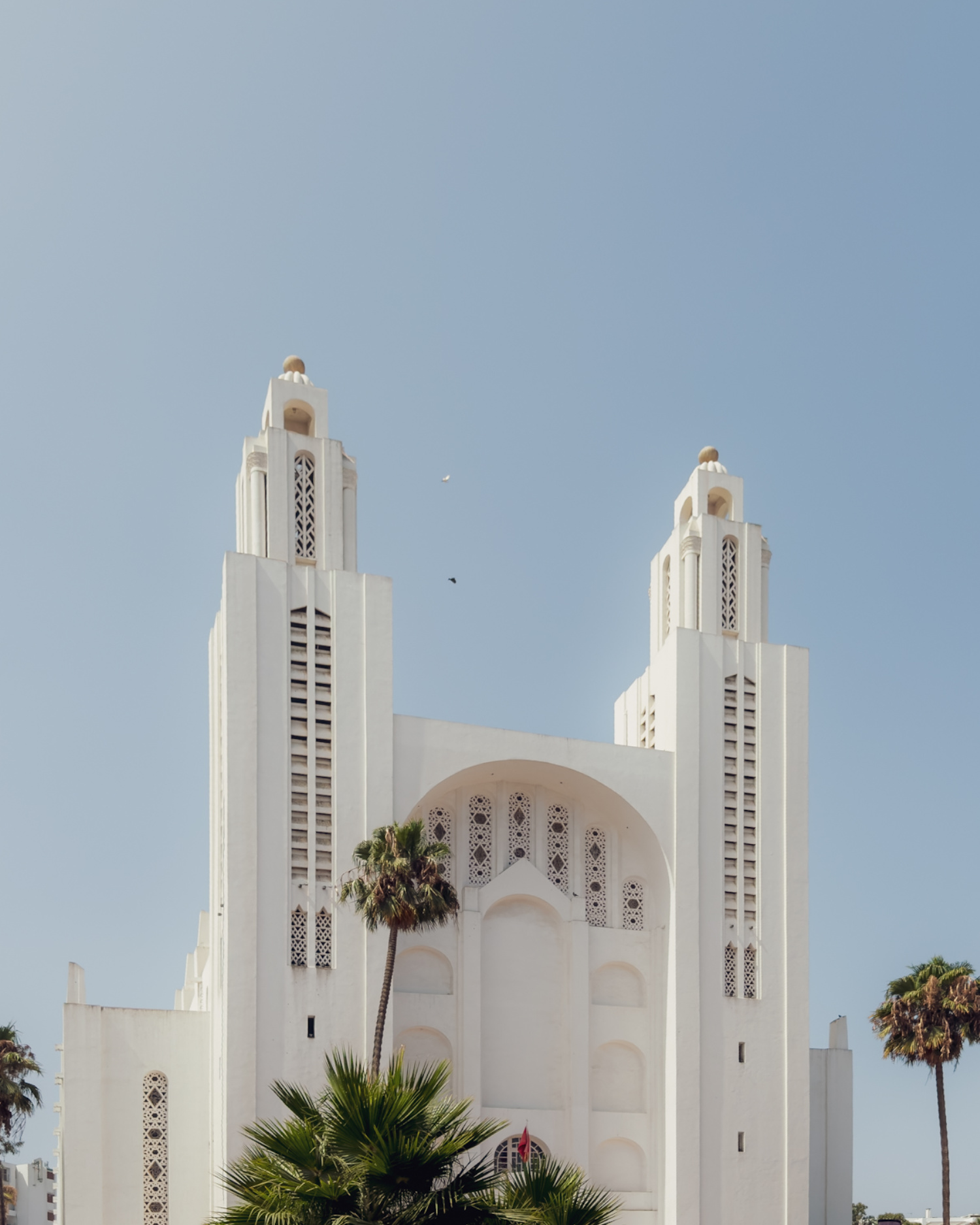
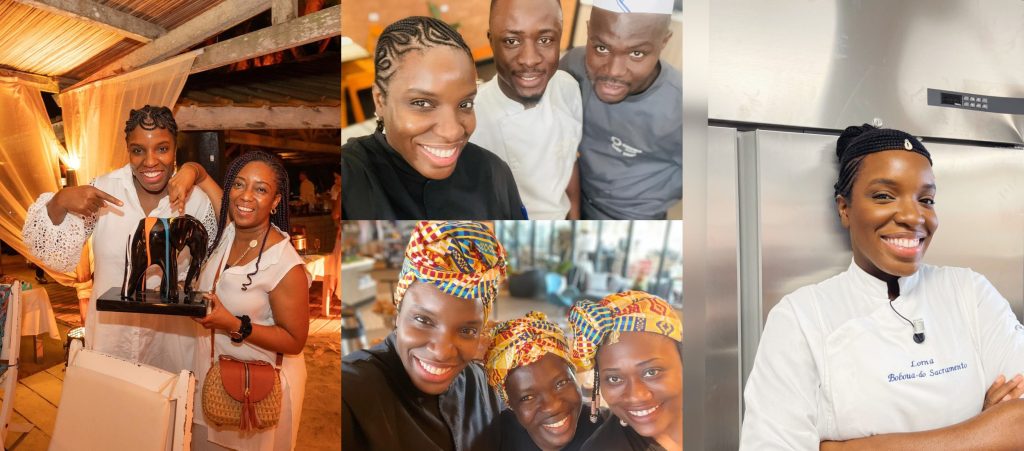
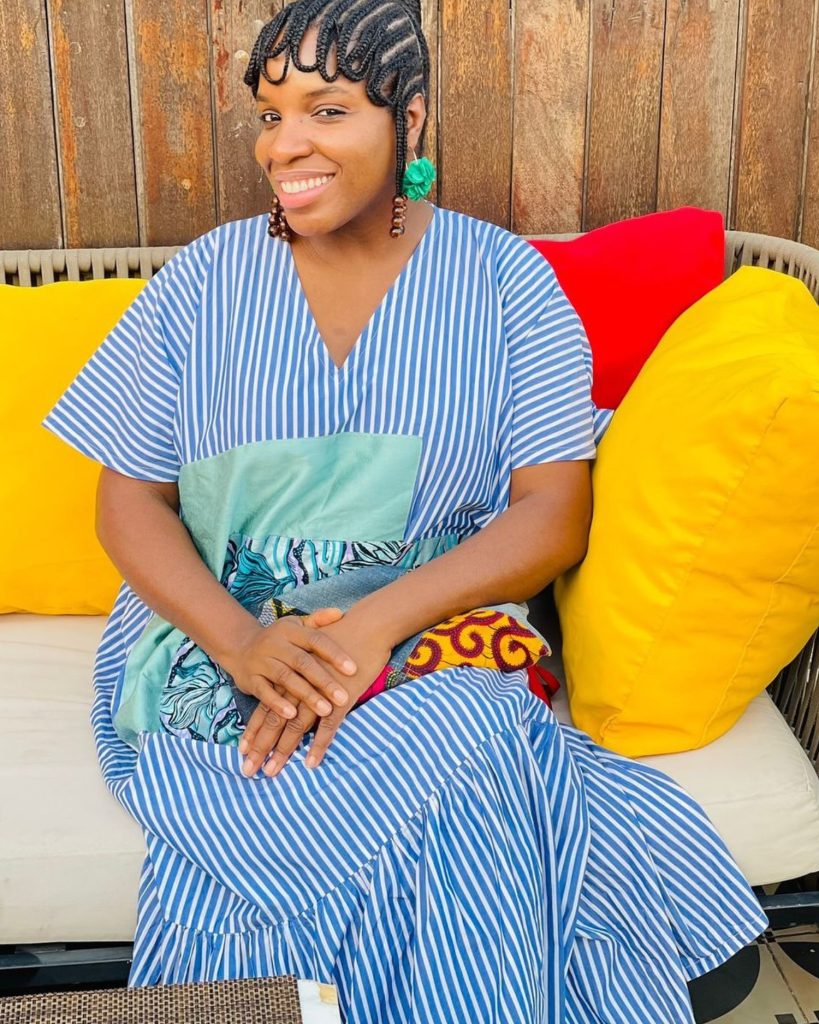
For Chef Lorna Boboua-do Sacramento, cooking isn’t just about flavour—it’s storytelling. As Onomo’s Regional Executive Chef for West and Central Africa, she brings Afro-fusion to life, blending heritage and culture with global influences.
Discover the world of Chef Lorna Boboua-do Sacramento, a culinary leader redefining the codes of modern African gastronomy. Between her multicultural heritage and world-class training, she shares her vision of the plate as a bridge between continents.
Tell us more about your position at Onomo.
For the past three years, I have been the Onomo hotel group’s Regional Executive Chef for West and Central Africa.
I supervise seven kitchens: two in Abidjan where Onomo has two hotels, as well as the kitchens in Dakar, Douala, Lome, Conakry and Bamako.
What did you do before you started working for Onomo?
I studied at École Grégoire-Ferrandi in Paris (which is like the Harvard of cooking schools in France). Thereafter I studied pastry at Le Cordon Bleu.
I then worked at several restaurants, including the Michelin star restaurant, Le Jules Verne, in the Eiffel Tower. I also did an internship at the Palais de l’Elysée, (France’s version of the White House), which was a great experience.
After this, I worked as a pastry chef under Cyril Lignac.
You are currently based in Abidjan? Are you originally from Abidjan?
I was born in France and grew up between France and the Congo (but mostly in France). My father is Congolese and my mother is Togolese/Brazilian.
Why did you decide to become a chef? What drew you to the profession?
I think it was my grandmother who passed on the passion for cooking to me. It’s always the grandmother for chefs, isn’t it? But it also comes from my father who has also always loved cooking as well.
A defining characteristic of most of Onomo’s restaurants is their Afro-fusion cuisine. How would you describe Afro-fusion to someone who doesn’t know it?
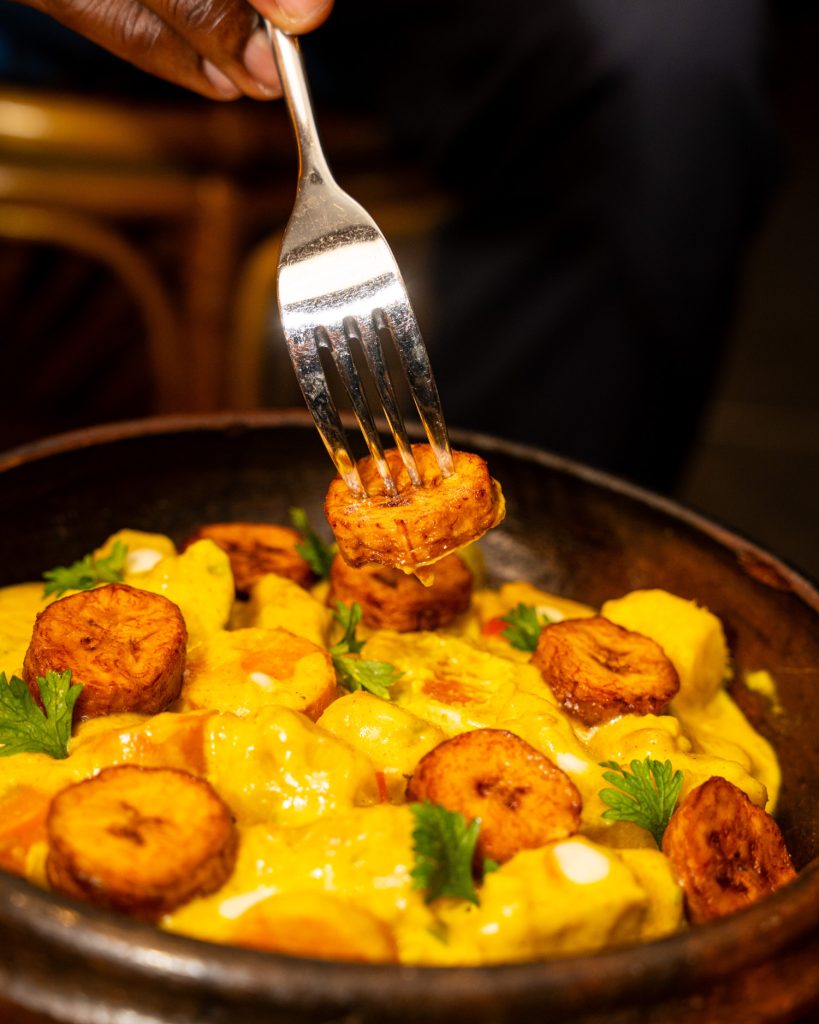
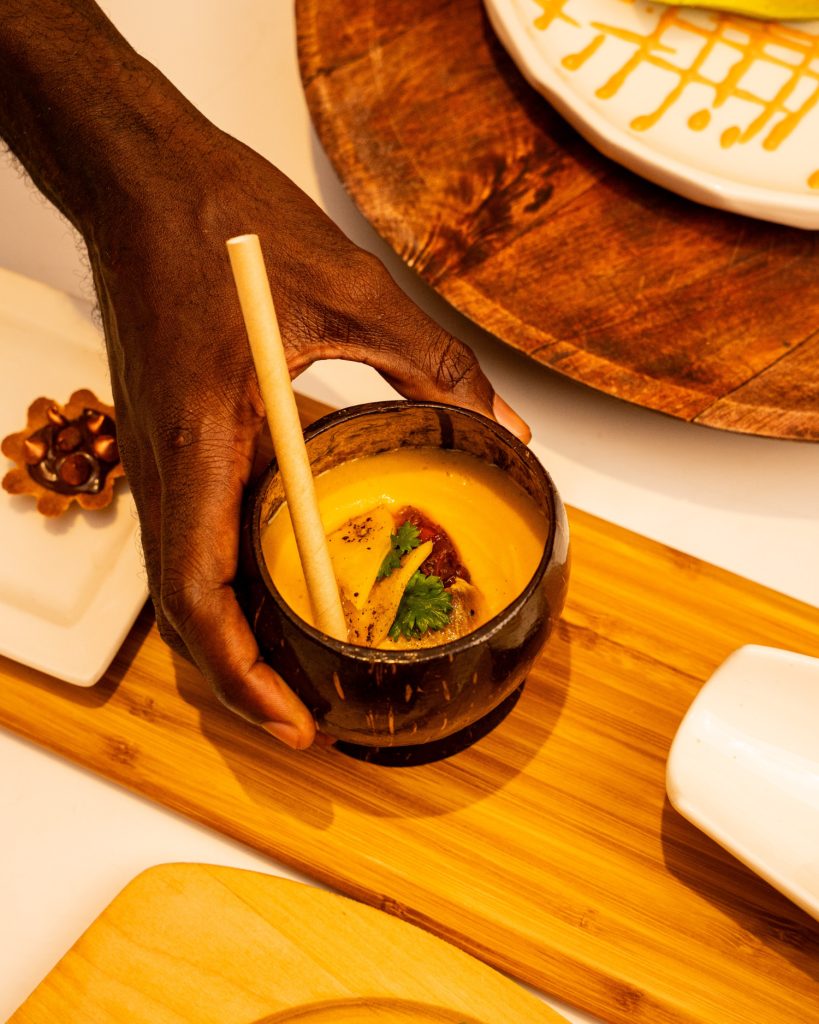
For me, Afro-fusion is when you combine African food with food from other cultures. For example, Congolese cuisine with French cuisine.
But when you do this, it’s very important to keep the identity of the traditional dishes you are basing your recipe on intact, and not to mix or change too many ingredients, otherwise the message you are trying to convey becomes diluted and you end up with too many messages in one dish.
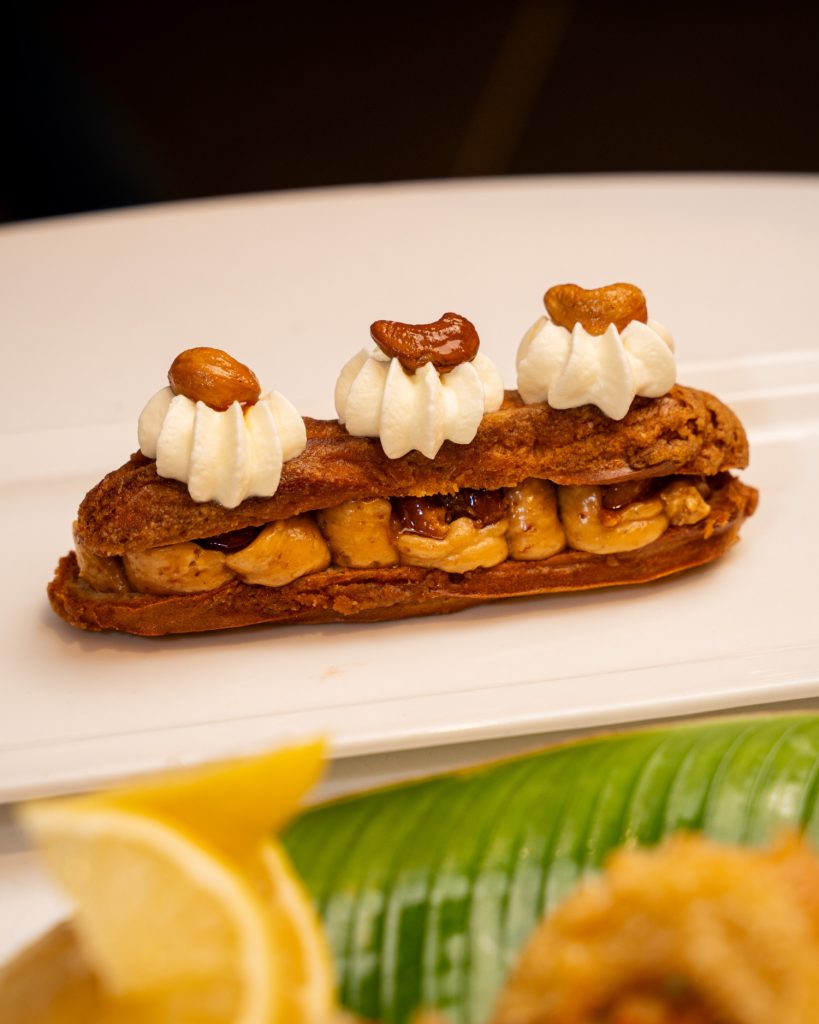
What is the secret to creating a great Afro-fusion dish?
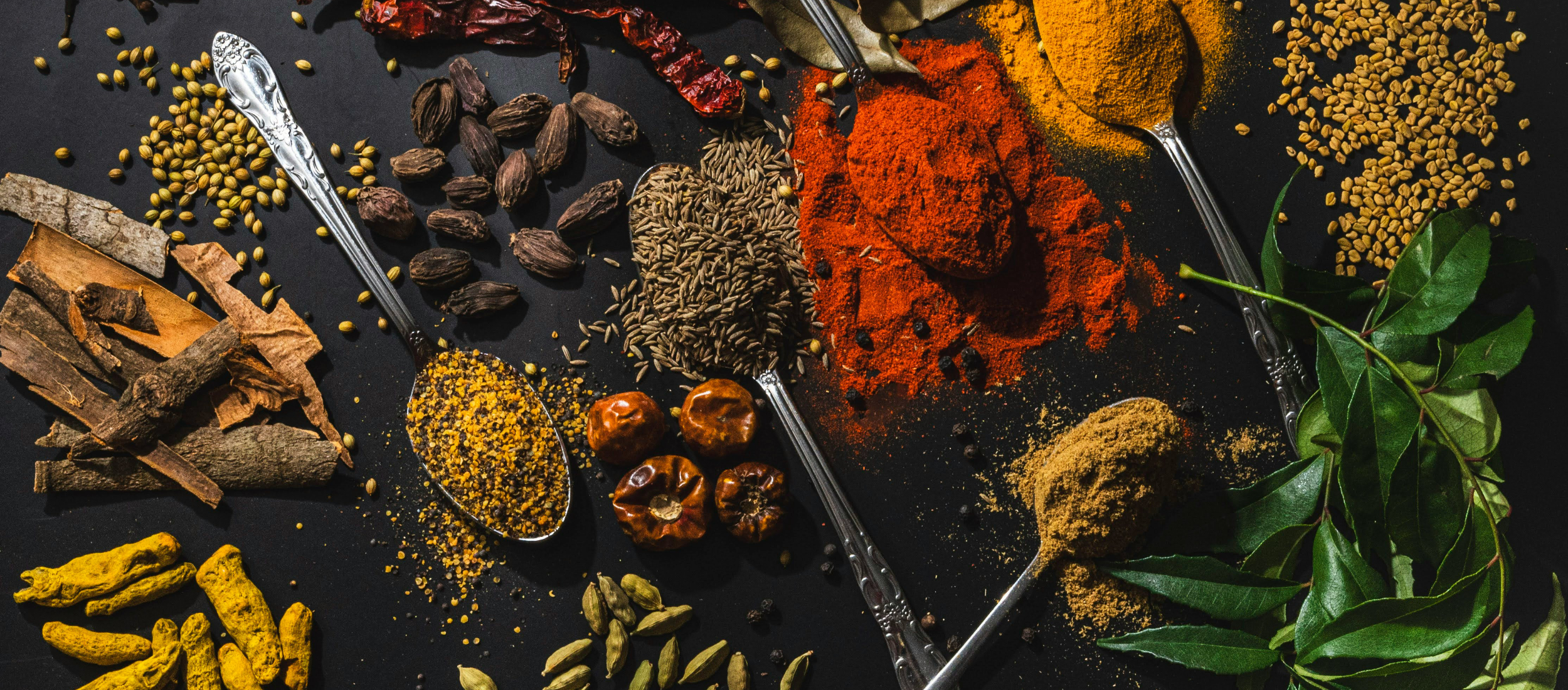
You have to be careful to keep the knowledge and roots of the traditional cuisine you are basing your new dish on intact. You also have to be well-versed with the traditional cuisine before you can combine it with flavours from a different culture.
Why do you enjoy cooking Afro-fusion?
I think part of the reason is my mixed heritage. And when I cook, it’s like I’m telling a story about myself and my heritage through my food.
I’m really a very reserved and shy person, and cooking is my way to say, ‘This is Lorna. This is my story.’ Cooking for me is like writing a book.
Do you have a favourite Onomo restaurant?
That’s a difficult question for me (laughs). I’ll get into trouble for playing favourites. But… I think if I have to choose one, I’ll choose Kokoma. The menu features a lot of traditional Ivorian street food. It’s very diverse and authentic.
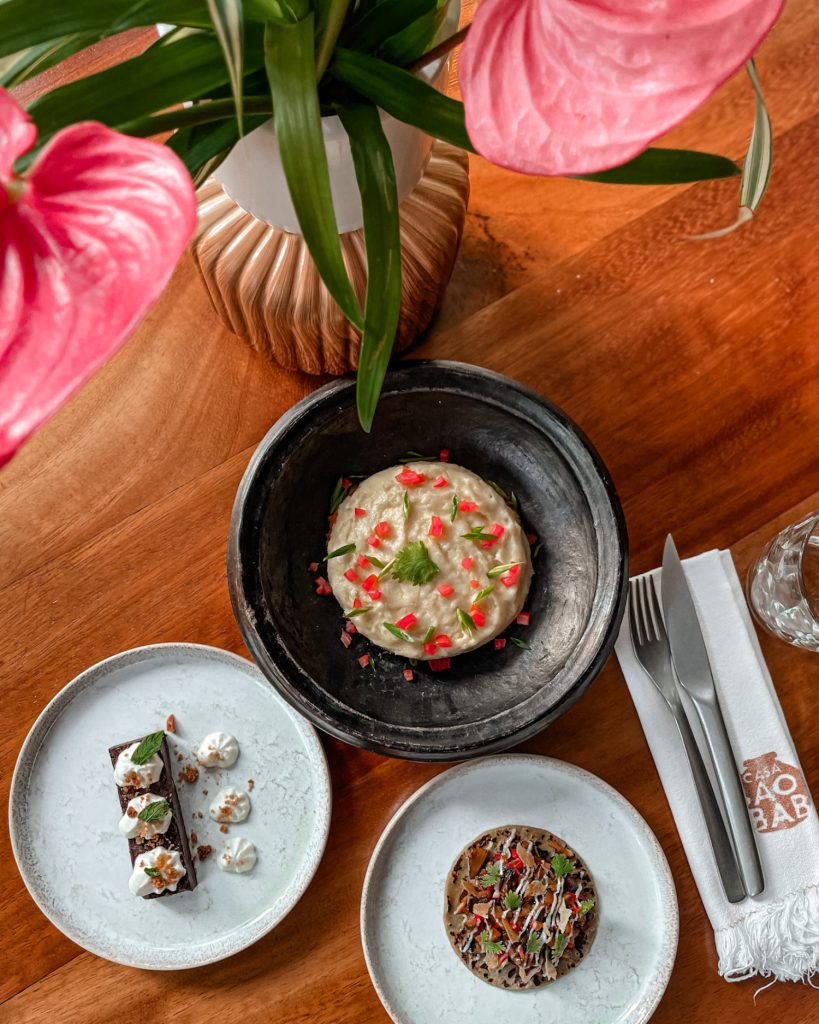
I also really love Casa Baobab and its Afro-Mexican menu at ONOMO Allure Abidjan Baobab.
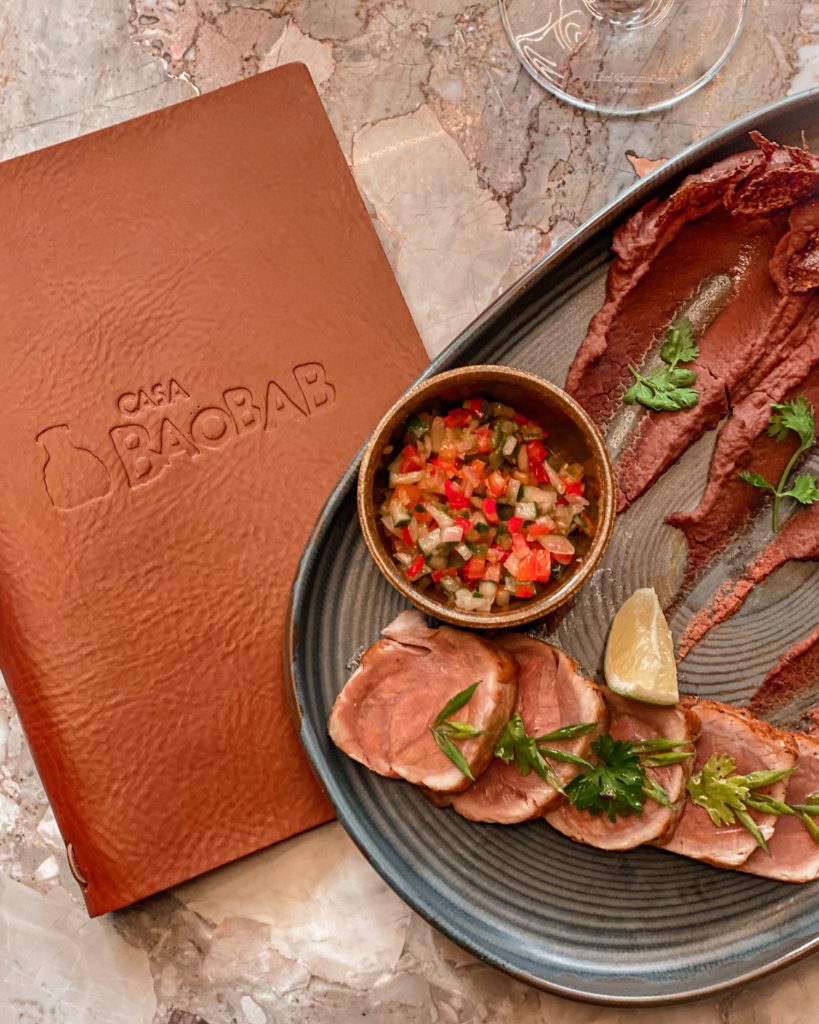
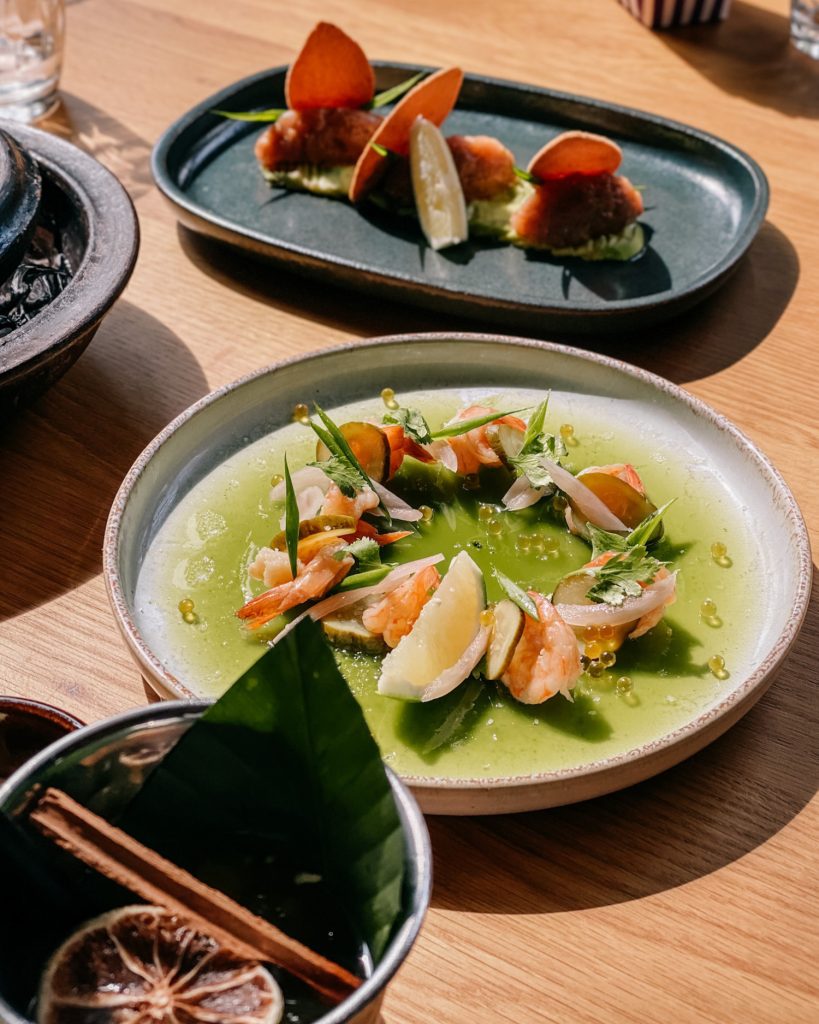
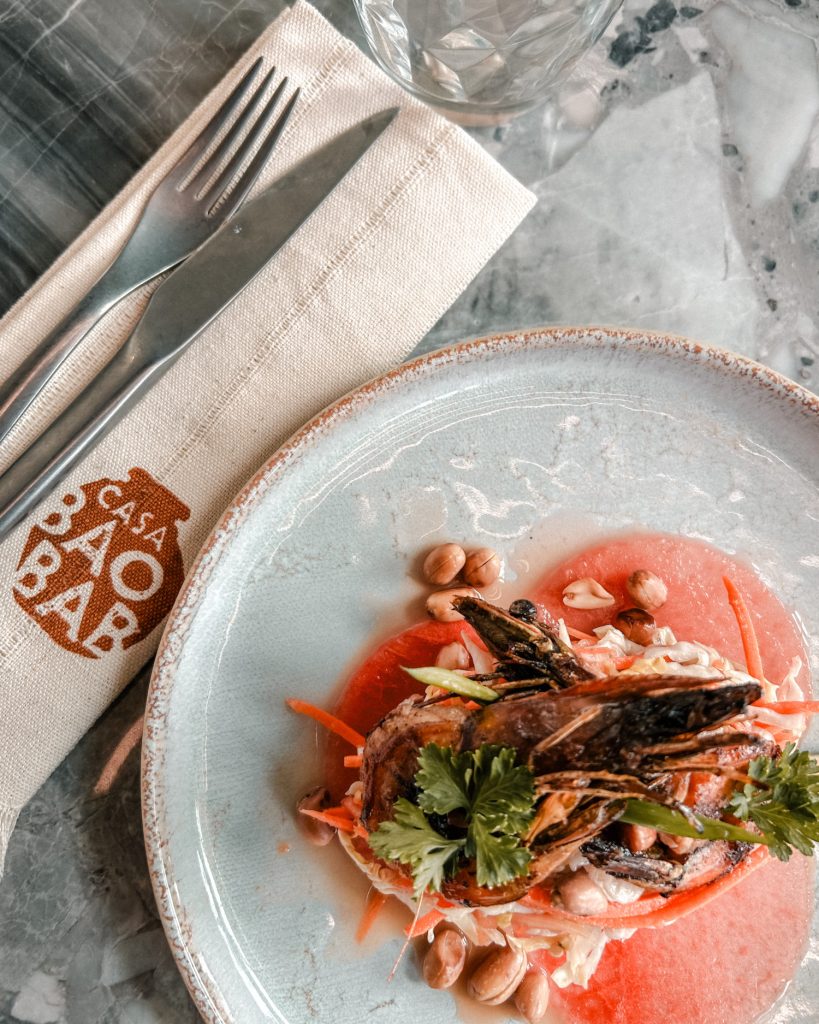
Talking about Casa Baobab: How did you decide on an Afro-Mexican menu for the restaurant? What inspired you to choose this combination?
It wasn’t my specific decision, but I think the choice was made because it was highly original and unique, nothing like it existed in Abidjan at the time. But now the idea has caught on and it has been copied by others here.
How do you go about designing a menu for a restaurant? Where do you start?
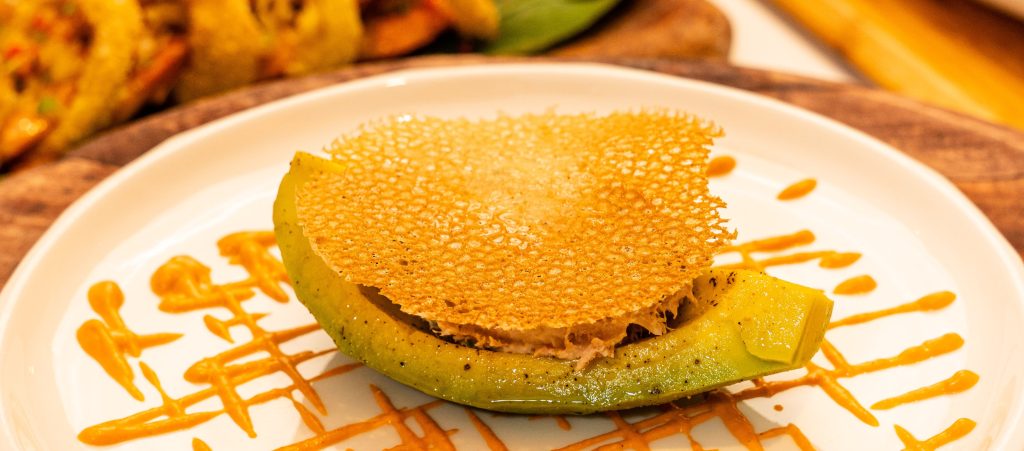
I start by observing the customers frequenting the restaurant. Because you know, it’s a hotel. It’s not the same as a regular restaurant. You have guests coming in from around the world. When I design a menu, I want to share a story.
If you come to Onomo Hotel Abidjan Airport, I want to introduce you to the culture of the Ivory Coast. But I also want to share my own background and experience, as well as my team’s.
Before designing a menu, I also ask my team what they like to cook. And then we design the menu together around this.
Do you have a favourite dish?
Not my favourite, because there are many dishes that I love, but a food that is really interesting to me is the African palm nuts that we get here in Ivory Coast.
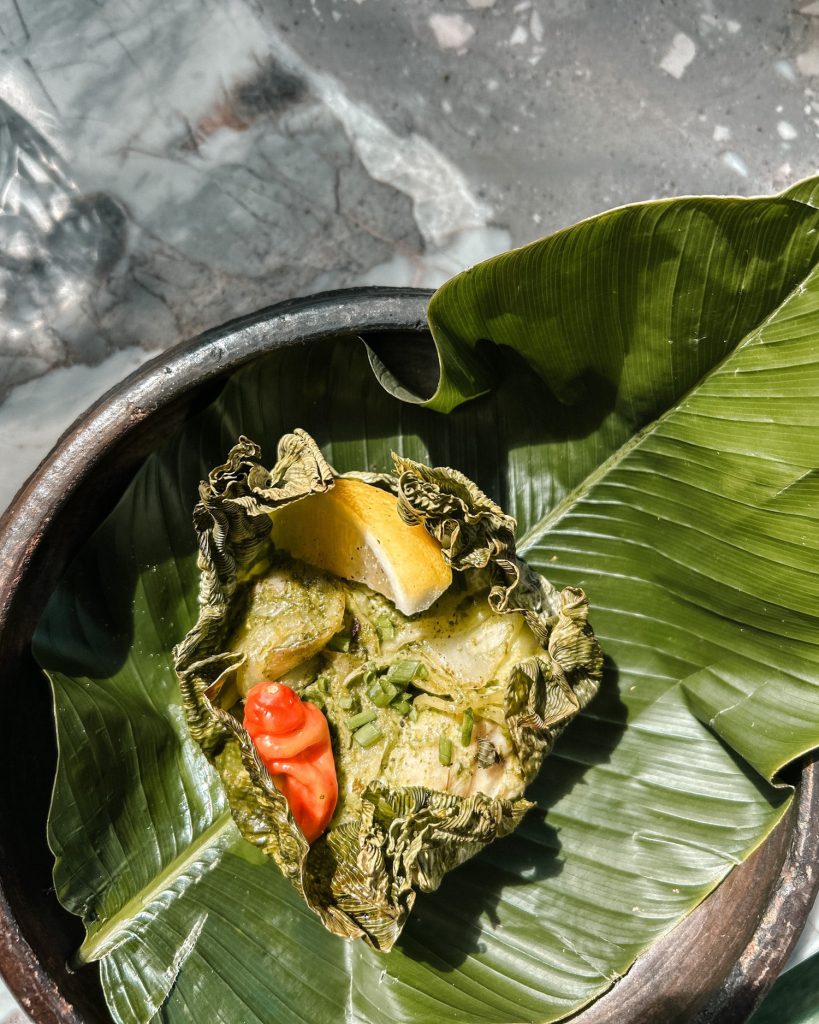
We also have ablo—a salty traditional steamed rice cake. We steam the dough in banana leaves. It’s a little similar to Mexican tamales, except that they use corn, not rice. We put the beef and sauce inside the dough, wrap it in banana leaves and then steam it. It’s delicious.
Do you think that knowing the historical and cultural roots of dishes and the stories behind them are important?
Yes, I think it’s very important to learn about your culture’s traditional dishes and teach these recipes to others. At some culinary schools in Africa, they’ll only teach you European or Asian recipes.
But if you want to get to know your cuisine and culture, you have to be taught its traditional recipes, because food is one of the main components of a culture. When you cook, you cook your story. You cook your identity. We have to keep the traditions of our cultures going.
When I was studying in France, I cooked a lot of French food. One of my instructors asked me questions like ‘What’s your favourite dish from your country, Lorna?’ and ‘Do you know how to make a traditional dish from your country?’ At first, I couldn’t understand why he asked me this. I thought, yes, I can cook African dishes, but they are something for cooking at home, they’re not professional. That’s when I came to realise that I have to understand and learn more about African cuisine. That it matters. Because other than being very delicious and healthy, it’s part of my heritage.
Are you working on anything new right now?
I’ve just finished preparing new menus for Kokoma at Onomo Hotel Abidjan Airport. I’ve included a new dish. It’s an Afro-American fusion dish, with roots in Louisiana.
Where do you find inspiration when designing a menu?
I enjoy finding inspiration through travel. I have a vacation coming soon, but I don’t yet know where I’ll go this time. Maybe Asia. Maybe South Africa. We’ll see.
On your Instagram profile, it reads: ‘Cooking is the art through which I translate my emotions and traditions. A refuge, a ritual, and a way of life.’ That’s such a beautiful quote. Can you share your thoughts on this?
Cooking is everything for me. When I’m happy I cook, when I’m sad I cook. This is my way of expression. Without it, there is no Lorna.
I also think that food brings people together. Say people are arguing: If you bring them food, it can completely change the mood in a room. It’s like music. It calms people and unites them. It can be powerful. Through cooking, you can conclude contracts. You have much power in the kitchen.
Where can you taste Chef Lorna’s creations?
Every menu designed by Chef Lorna tells a story of her Congolese, Togolese, and Brazilian roots. Experience Lorna’s signature style at our flagship locations:
- Kokoma Restaurant & Terrace at Onomo Hotel Abidjan Airport @kokoma.abidjan
- Casa Baobab at Onomo Allure Abidjan Baobab @casabaobab.abidjan
- Ramatou at Onomo Hotel Dakar @onomo.dakar
- O’Restaurant at Onomo Hotel Douala @onomo.douala
- O’Kope at Onomo Hotel Lome @onomo.lome
- O’Taste at Onomo Hotel Conakry @onomohotel.conakry
- Banantou at Onomo Hotel Bamako @onomo.bamako
Book Your Gastronomic Experience
Want to discover the unique creations of Chef Lorna Boboua-do Sacramento? Combine comfort and world-class gastronomy during your next stay in Africa.